Embarking
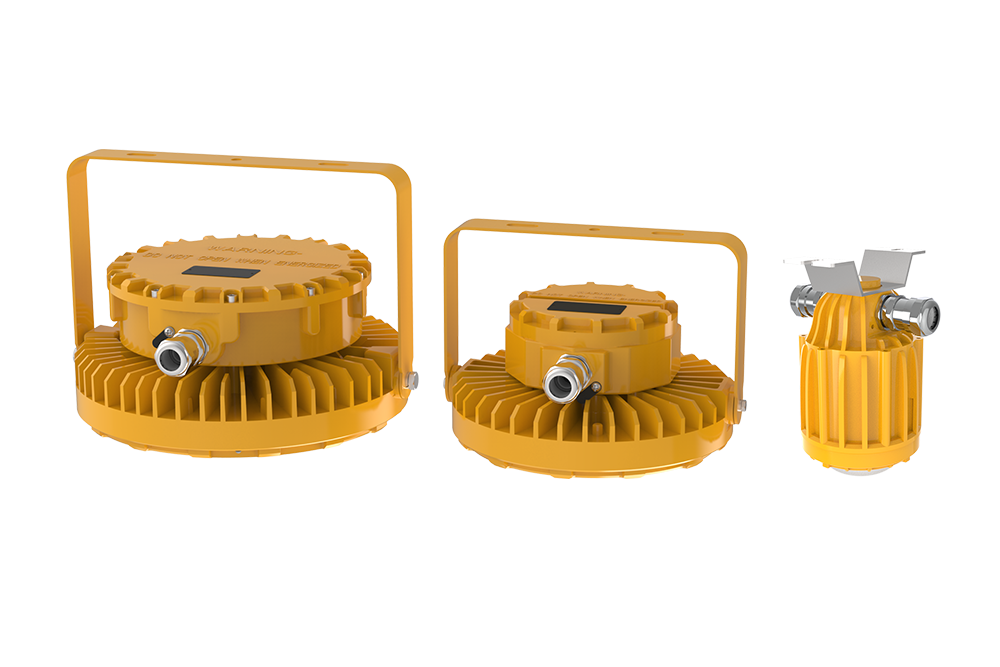
Functioning across possibly perilous milieus, such as petroleum installations, either cereal facilities, required customized radiance systems. Fire Proof Lamps are created to avoid ignition of volatile atmospheres, guarding personnel and equipment. These tough fixtures are engineered to contain an hidden explosion, preventing it from propagating to the surrounding area. Comprehending the multiple approvals, like UL, is important when deciding on the suitable units for your distinct application, securing a harmless and lawful workplace.
Knowing Detonation Safe Illumination: Uses & Standards
Detonation-safe spark-free brightness systems is or: critically important in or: hazardous environments, safeguarding personnel and equipment from ignition sources. These purpose-built luminaires are designed to contain any internal ignition, preventing its propagation into the surrounding atmosphere, within which might contain flammable gases, vapors, or dust. Common applications include fuel refineries, production plants, paint facilities, and sewage treatment plants. Strict or: regulations govern their production, primarily based on organizations like ATEX, assuring compliance with designated location or: ratings – defining the level of hazard and the required equipment type, especially Class I, Division 1 & 2, and Zone 1 & 2. Correct arrangement and care are also crucial for continued safety and performance.
Intrinsically Safe Lights: Protecting Your Threatening Environment
Operating in a jeopardous environment demands the utmost protection, and illumination plays a significant role. Detonation-Proof lights are specifically created to prevent ignition in areas with flammant atmospheres. These robust components are rigorously verified to contain any flare-up, ensuring no external ignition explosion proof light is triggered. They're often required by law by official regulations for plants like manufacturing centers. Consider these benefits:
- Improved shielding
- Conformance of mandatory measures
- Lowered liability of events
LED Flame-Resistant Apparatus
Available Solid-State fireproof luminaires showcase a significant union of energy effectiveness and high-level protection. Constructed for high-risk environments, particularly refinery sites and resource operations, these devices dependably reduce chance of ignitability while alongside supplying superior glow and reducing long-term outlays.
Determining the Right Lighting for Your Market
Electing relevant explosion-proof fixtures is fundamentally vital for validating shielding in possibly explosive settings. Examine the specialized criteria of your function, including the type of vapors present, the warmth range, and the category of the region. Also, be sure to authenticate that the elected apparatus observes related rules and certifications such as NEC rules. Overlooking these details can lead to significant repercussions including explosions and potential injuries.
Essential Components of Explosion Proof Lighting Systems
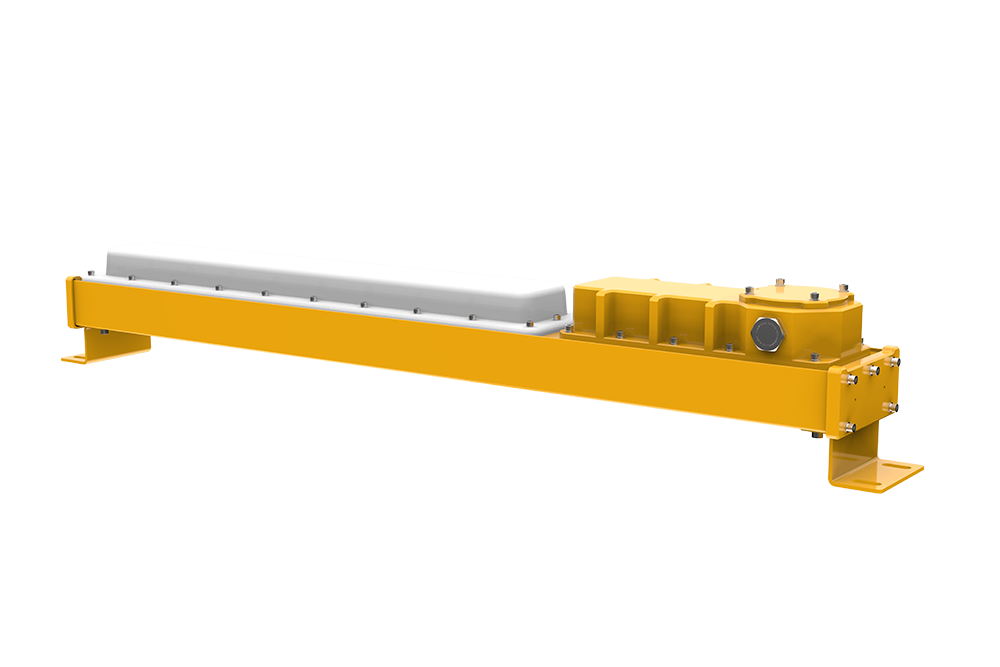
Explosionfireproof lighting units are key for protecting safety in risky environments. Key traits include a sturdy enclosure designed to contain the potential spark or hot source, preventing it from escaping the surrounding zone. Furthermore, they incorporate explosion-proof components, often utilizing xenon or other approved generators within a contained housing to eliminate ignition hazards. Proper qualifications from recognized bodies, such as MSHA, are obligatory for verification and assure the equipment's durability in defined zones.
Places with Dangerous Proof Devices Essential?
Explosionsecure lights are essential in facilities where possibly flammable blend of fumes and air could create specific volatile environment. Ordinary sites include oil installations, effluent treatment industries, resins construction centers, farming towers along with exclusive digging operations. Usually crucial to check relevant code guidelines to confirm the definite designations requiring blast preservation.
Preserving Your Explosion Proof Lighting: Advice
To secure superior operation and care of your intrinsically-safe lighting apparatus, scheduled monitoring is critical. Initiate with careful physical surveys for any symptoms of breakdown, such as cracks in the frame or damage. Frequently dust off any contaminants deposit from the lenses and spreaders. Without fail utilize suitable cleaning substances that won’t weaken the finish. In conclusion, register all overhaul work and abide by the creator's rules for testing and renewal of modules.
Progress in Hazard-Safe Illumination
The future area of blast-resistant units is progressively being shaped by solid-state lighting progress. Earlier gas-discharge fixtures were typically bulky, power-hungry, and elicited danger concerns. Now, advanced LEDs yield a influential candidate, boasting refined productivity efficiency, reduced maintenance requirements, and a longer operational life. Furthermore, advancements in light diode engineering are enabling for more compact & lighter explosion-proof luminaires, strengthening occupant with efficiency in required areas.