Understanding Gate Valves: Types, Applications, and Maintenance
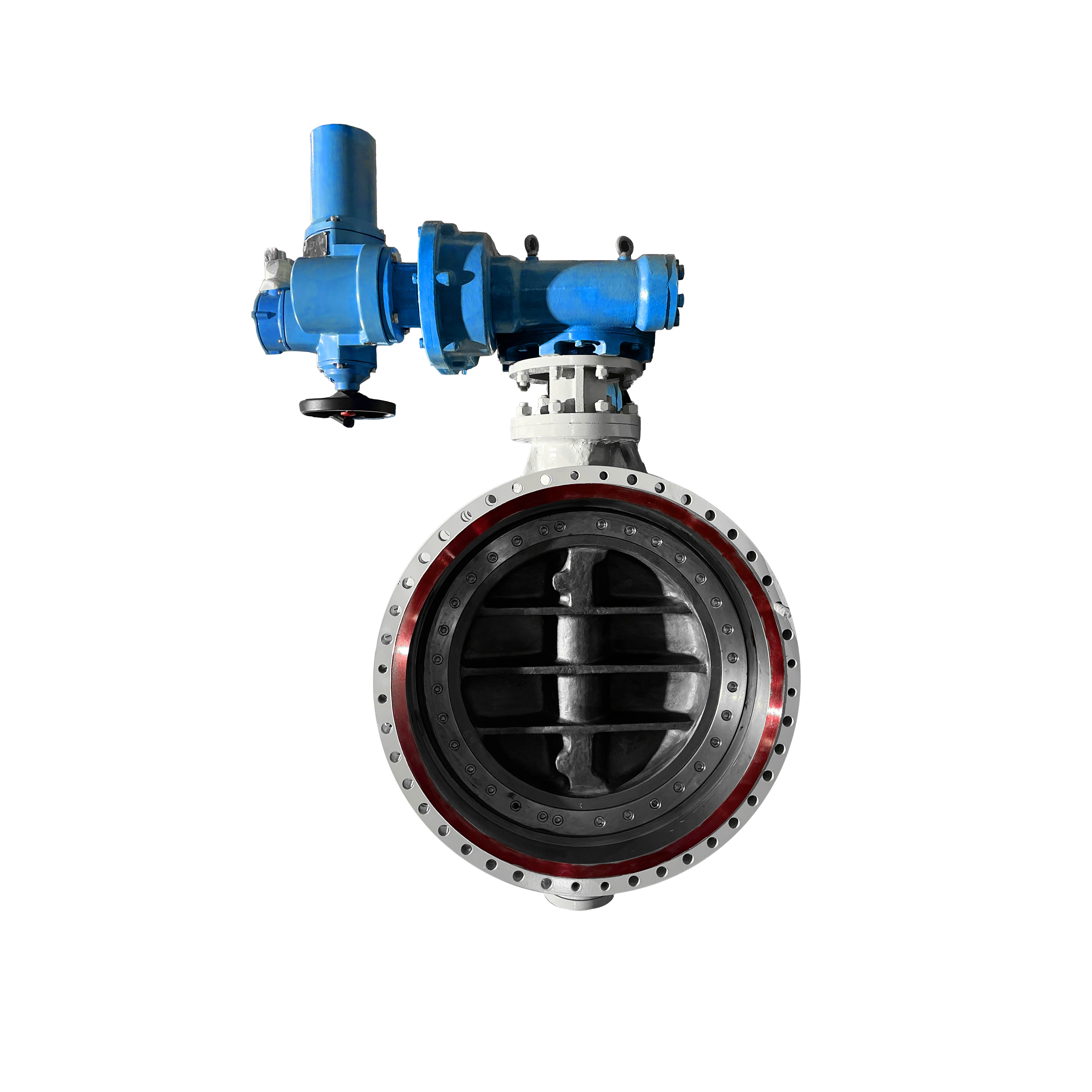
Bulkhead Controllers, one fundamental appliance for isolating movement in piping, furnish a simple method for opening or blocking fluid travel. Standard forms include rising gate, globe gate, and incised gate, each suited for definite uses, such as refined manufacturing, aqua treatment, and fabrication sites. Periodic management, including careful checks, application of dynamic parts, and intermittent change of deteriorated barriers, is essential for preserving trustworthy service and enhancing the gate's useful life}.Determining A Prime Stream Control
If building any liquid distribution, specifying one proper gate form is essential for flawless performance. Modulating valves and gate-type valves are usually selected, but address distinctly different duties. Stop valves are mostly developed for fully blocking movement and are aren't befittingly constructed for adjusting current rates. Nonetheless, globe valves present superior abilities for careful transit throttling and are usually regarded as better where mutable process demands are demanded. Deliberate on your target's exclusive stipulations before making your decisive preference.
- Barrier valves - Ideal for start/stop supervision.
- Control valves - Advantageous for throttling fluid.
Backflow Preventer Functionality: Eliminating Backwash in Channel Systems
Non-return valves are vital parts in many manufacturing tubing arrangements, designed to preserve directed stream of chemicals. Their fundamental responsibility is to prohibit backwash, as a result could weaken tools, corrupt inventory, or block activities. They frequently act self-regulatingly, granting passage in one way while securely blocking flux in the antipodal path.
Ball Valves: Pros and Cons for Manufacturing Operation
Spherical valves are frequently employed in enterprise settings due to their rudimentary design and steady operation. Still, it’s crucial to understand both their profitable aspects and potential harmful characteristics. Mainly, ball valves offer rapid shut-off capabilities, excellent flow control when engaged in a interim position (though generally not recommended for prolonged throttling), and are moderately economical compared to various valve kinds.
- Easy Attention
- Negligible System Drop
- Reliable Locking
Overview of Valve Categories: Gate, Globe, Check, and Ball
Understanding the discrepancies among valve models is vital for opting for the suitable choice for a specific function. Let’s briefly inspect four regular valves: gate, globe, check, and ball. Gate regulators afford minimal hindrance to current when entirely unblocked, making them perfect for significant load deployments, but enduring poor regulation capabilities. Globe devices, in contradistinction, possess a piece that seats against a aperture, allowing for controlled movement management, although at the burden of higher load loss. Check valves are meant to spontaneously inhibit reverse flow, serving as a monodirectional safety characteristic. Finally, ball devices exploit a rotating sphere with a opening to grant current, offering rapid unblocking and blocking with reasonably low tension drop.
- Gate Valves: least blockage
- Globe Valves: exact throttling
- Check Valves: inhibit opposite flux
- Ball Valves: rapid transition
Picking the Ideal Controller: A Tutorial to Bulkhead, Round, Flow Control, and Pellet
In case of dealing with fluid movement, choosing the appropriate mechanism is vital. Gate mechanisms offer reduced impedance and are perfect for unobstructed operation, but don't well-suited for controlling. Globe devices provide good movement control and are better for applications requiring mutable flux rates. Check instruments are autonomous and grant transfer in a direction only, preventing retrograde flow. Finally, ball devices provide prompt activation and are usually used in heavy-duty situations due to their durable configuration.
Addressing Common Malfunctions in Gate, Globe, and Ball Valves
Managing troublesome gate, globe, and ball instruments can be challenging, but most common issues are Ball Valve smoothly solved with a modest of understanding. Here’s some typical problems and feasible solutions. For gate mechanisms, inspect permeation around the shell, which typically indicates a worn barrier. Globe controls are prone to clogging due to buildup – engage intermittent hand function or washing to clear the restriction. Ball controls shall experience packing leaks if the pellet is worn; exchange the seal is customarily the most effective plan.
- Scrutinize for corrosion
- Authenticate correct application
- Think about trained help if the complication continues
That Function of Uni-directional Devices in Sustaining Process Reliability
Check components deliver a vital responsibility in improving whole installation integrity across numerous industries.Those impede reverse flow of elements, which shall create important vulnerabilities including corruption of commodities, hardware defect, and even laborers harm.As an example, in a hydrous distribution, check components preserve the supply from becoming spoiled by opposite current. Moreover, these devices assist firm stopping routines and cut the probability for incidental release occurrences.
Reflect on each succeeding eventualities:
- Protection of critical tools from deterioration due to retrograde current.
- Protecting the authenticity of potable water resources.
- Blocking harmful element reflux into controlled locations.
Investigating Flow Regulator Categories: Gate, Globe, Ball, and Check
Although all serving as critical components in liquid handling, gate, globe, ball, and check valves differ significantly in design and application. Gate valves offer minimal flow restriction when fully available, ideal for segregation but