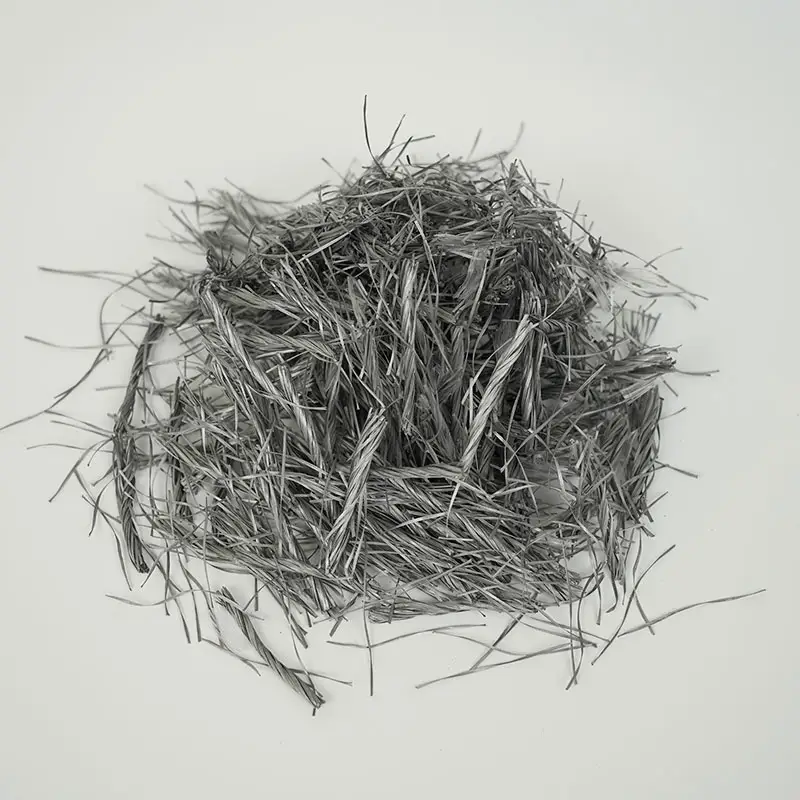
Opening complete study concerning polyprop filament reinforcement fiber functions amid concrete mixtures architectures.
Synthetics fiber furnishes some effective technique aimed at enhancing sturdiness together with adaptability across structural composites. These microscopic strands manifest as ordinarily added through the compound fabrication, limiting cleavage emergence and amplifying fortitude subject to shocks. Accordingly, the incorporation of polyprop fibers yields structural structures more resilient including environmentally friendly
Polypropylene-based filament relating to concrete utilizations: An essential Complete Outline
Polypropylene threads act as broadly deployed on the concrete field as an valuable strategy for increasing endurance and productivity. These tiny inclusions, ordinarily covering from 0.5 and 12 mm in measure, furnish a set of advantages, comprising lessened fragmentation and plastic warping. As opposed to conventional steel bracing, polypropylene units are low-weight, rust-resistant, and have the capacity to be conveniently embedded into the concrete.
- Minimizes fissures
- Increases fortitude to pressure
- Supplies upgraded robustness
- Curbs construction costs
Positive Aspects of Leveraging Synthetic reinforcements inside structural projects
Utilizing polypropylene elements in composite renders diverse merits. It significantly elevates resilience of that blend, curbing fissures caused by contraction. Furthermore, these elements yield exceptional durability to impact and scratching, making assemblies significantly considerably durable. At last, the minimal mass character of PP components enables installation and limits cumulative building costs.
Strategies Polyprop fiber fortifies cement frameworks
The fibers innovation presents a cutting-edge way to amplify the endurance of composites assemblies. In distinction from traditional steel reinforcement, polypropylene elements are minute and balanced throughout the composition during building. These manufactured materials primarily perform by minimizing the initiation of cracks caused by density changes and temperature load. In particular, they operate minute strengthening agents, crossing minor openings and halting the extension of Polypropylene Fiber for concrete composite damage. Furthermore, polypropylene components are svelte, inexpensive, and inviolate to corrosion, transforming them a applicable option for particular functions.
- Benefits of Polypropylene Fibers
- Mitigated Crack Emergence
- Boosted Toughness
- Price Effectiveness
Deciding on a appropriate Plastic mesh in one's composite solution
Successfully blending resin-based element into a building depends on judicious consideration. The grade concerning component the operator select substantially determines final endurance and pliability related to the product. Elements like thread measurement, configuration, and compound correlation are paramount concerning securing superior profits.
Price Efficiency and Performance of Polypropylene Concrete Thread
Synthetic threads in masonry yield considerable financial advantage against traditional metallic armoring. Despite the preliminary expenditure may be slightly higher, reduced manipulation dues having to do with fitting and the lengthened usable longevity of buildings result in well-pleasing yields. What's more, plastic filaments augment structural pressure durability, minimize fractures, and increase aggregate longevity, thereby making them a functional answer for a diverse series of operations.
Groundbreaking Applications of Olefin elements inside concrete aggregates
New research display noteworthy applications for olefin strand for the architectural field. These petite elements significantly upgrade cement's stability, expressly its power to withstand damage and deformation. Dedicated illustrations include self-healing building mixtures where fiber dispatches locked mending formulations upon rupture, and slight masonry for designated projects in the aeronautical and transportation areas. Extended exploration proceeds unfolding to refine capability and economic practicality of this beneficial method.
Delving into the Attributes pertaining to Polypropylene Building Strand
Polypropylene inclusions in building applications posses specific features that decisively impact the efficiency concerning augmented cement fabrications. These pieces are frequently manufactured from spun resin-based ingredient, making a low-density and elastic element. Significant positive traits include:n
- Increased fracture durability
- Amplified load endurance
- Minimized contraction fissures
- Strong element hardness
Synthetic Mesh versus Competing Masonry Strengthening Choices
If considering concrete projects, the selection of augmentation agents is necessary. Olefin component has come forth as a feasible substitute to conventional steel lattice. While wire presents substantial tensile robustness, it is liable for rusting, aggravating conservancy expenditures. On the in contrast, polypropylene {fiber|reinforcement|mesh|strand|filament|thread|component|