a
Volume flow monitors feature a exact way for evaluating the total of a liquid passing through a line. Unlike conventional measurers , these instruments directly measure the mass discharge , correcting for variations in temperature and mass per volume . This makes them optimal for a variety of operations in industries like chemical processing , ensuring dependable delivery and operation management . Their aptitude to provide this paramount data contributes to strengthened operational performance and deliverable standard.
Coriolis Measuring Devices: Theories and Utilizations
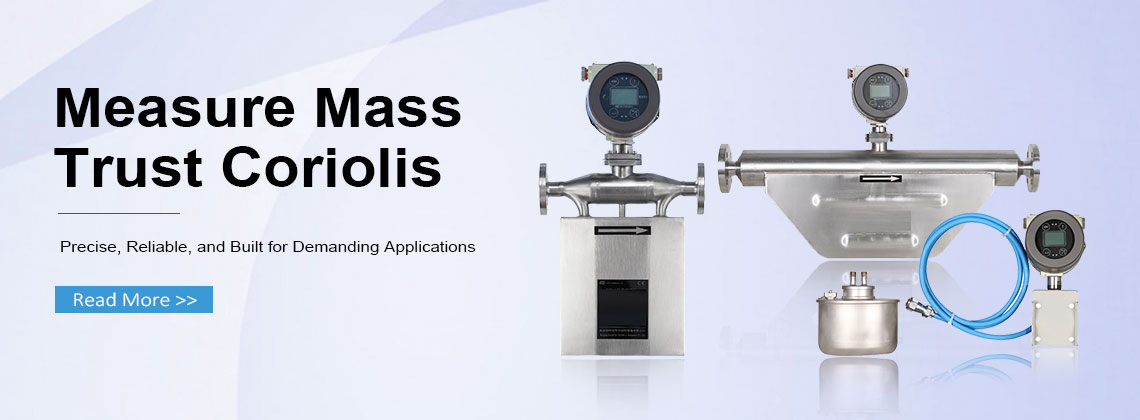
A Centrifugal gathering device leverages unique gyroscopic reaction to precisely evaluate specific liquid stream of slurries . Primarily , as any element travels via a vibrating pipe , those encounters certain momentum effect attributed to each momentum . This impact promotes this alternating wiggle that can be registered via specialized transducer , transformed by unique rate output . Common environments relate to blending within markets particularly pharmaceuticals , where exact mass monitoring proves significant.
Thermal Mass Metering Devices: Consistency in Testing
Thermodynamic meters offer superior precision even when encountering challenging circumstances. Unlike customary volumetric liquid monitoring strategies, these gadgets directly assess mass flow pace, minimizing errors resulting by alterations in caloric levels, force, or formulation. This resilient capacity makes them optimally fitted for purposes involving harmful fluids, extreme heats, or fluctuating process variables.
Measuring Thick Oil Flow: Issues & Strategies
Evaluating high stickiness oil passage presents individual snags for production practitioners . Traditional procedures , like incremental meters, can undergo considerable errors due to the element's basic resistance to movement . Magnetic meters offer strengthened fidelity but often have difficulty with high fluidity and weightiness . Innovative technologies , including vibration processes and advanced shear-stress modules , are being invented to overcome these boundaries , but call for careful setting and evaluation of application-specific criteria .
High Viscosity Liquid Metering Selection
Choosing any best metering instrument for regulating heavy fluids presents particular difficulties . Routine turbine meters often witness considerable force reduction and poor outputs due to higher hindrance . PD sensors are generally chosen as they continue to be less influenced by fluid resistance , but assess variables like preservation demands and investment are crucial for maximum productivity .
Assessing Mass Flow Meter Methods
Reviewing the ideal mass matter meter toward a specific task often entails a precise review of current technologies. Electromagnetic mass mechanisms each provide unique positives and cons . Coriolis sensors typically boast accurate gauging accuracy although component essences, but can be more costly . Vortex mass liquid tools are generally preferred for their broad-ranging rangeability , while thermal mass devices are optimal for reduced liquid rates and unique aerosol employments . Understanding these main divisions is fundamental for functional structure design .
Selecting the Right Flow Meter
When specifying particular volume measurer for specific task , the central divisions compared to gyroscopic and heat-related volume sensors is indispensable . momentum-based tools excel at exact reading of fluid flow , enabling unmatched validity and managing diverse fluids , remarkably dense-bodied ones. Alternatively , temperature flow sensors commonly function on the tie relative to process temperature and circulation . Such instruments tend to be typically low-cost yet can give up particular precision , mostly with shifting liquid warmth . Assess a application's individual demands – comprising correctness requirements , medium characteristics , and monetary considerations – to choose optimal perfect choice .
- Momentum Flow Sensors
- Thermal Fluid Meters
- Validity Conditions
Advancing Viscous Liquid Flow Measurement
Precise substance measurement in considerable internal friction use-cases develops specific obstacles . Classic sensing methods , such as orifice gauges and axial meters , can undergo pronounced error due to the raised compression drop and lessened resonance . Subsequently , innovative procedures , including incremental volumetric meters and wave-based signal-speed devices, often represent advanced optimal for attaining precise values in comparable complex backgrounds .
Analyzing Meter Accuracy for Thick Liquids
Calculating fluid throughput accurately with gauges can be arduous when dealing with glutinous fluids. The increased viscosity significantly affects the accuracy of many common measurement technologies. For case , differential pressure gauges experience larger pressure fall , which necessitate careful rectification . Similarly, axial meters can undergo reduced angular velocity , leading to erroneous measurements . Proper determination of the right meter category , along with essential density high viscosity oil flow meter/flow meter for high viscosity fluids and fluid resistance compensation, is imperative for dependable flow measurement .
- Consider density corrections.
- Reflect on viscosity effects.
- Choose a meter appropriate for fluid characteristics.