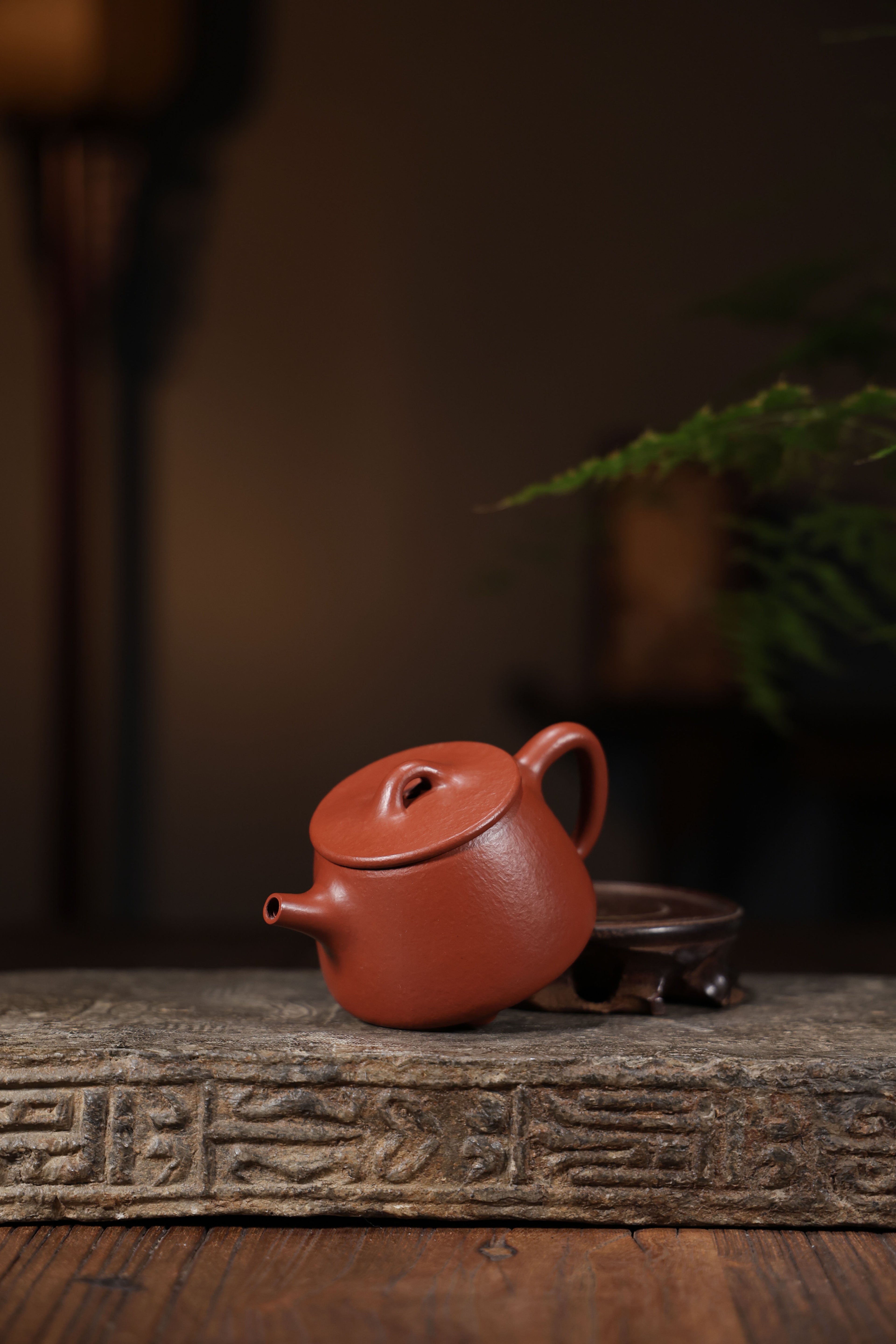
Starting a complete inspection concerning Yi-hsing Tzu-sa teapots presents an captivating combination with craftsmanship alongside practicality.
Ihsing Zi Sha clay pots possess a unmatched appeal to enthusiasts internationally. Such fascinating clay pots, sourced from the specific Yihsing locale inside Jiangsu area, China, represent more than just teaware; they are considered works design beauty and ancestral significance. That finely processed clay, known by Zisha, imparts a understated flavor onto the tea, and the detailed designs, often embodying traditional Chinese artistry, increase their fundamental value. Collecting a genuine Yixing Zisha teapot can be a worthwhile journey, calling for careful research and an recognition of the numerous factors influencing their singularity.
Learning about Yixing Vessels
Yixing pottery vessels boast a storied past deeply interwoven with Chinese civilization. Originating in Yixing, Jiangsu area, these pots are crafted from a unique, porous purple soil found only in that specific location. Their advancement began during the Ming period, with master creators refining the skills over centuries. Diverse types are found, including the classic Hexiang (resembling crab shells), Zhuni (red-brown hue), and Duan Ni (stone-studded) – each with distinctive qualities. The price of an Yixing tea container isn't solely based on its size or accessories, but also on the Chinese Teapot craftsman’s reputation, the substance's quality, and the vessel’s age and condition. Curators often seek out older examples, believing they collect the bouquet of the brew brewed within them over time, further adding to their prominence.- Traditional Tea Containers
- Russet Brewing Vessels
- Rock-Adorned Brewing Vessels
Zisha Teapot Mastery: Creation & Means
This manufacture of Zisha teapots represents a culmination of Chinese ceramic expertise. Professional artisans employ age-old techniques, often passed down through descendants, to unlock the full charm of this unique clay. Approaches involve meticulous fashioning by hand, often combined with the twisting method, followed by precise baking at incredibly severe temperatures in wood-fired kilns. Illustrating is equally crucial; potters utilize native clay colors and may incorporate embossing work to depict intricate scenes or patterns, demonstrating a profound knowledge of the material’s aspects and energy. The resulting teapot isn't merely a vessel for tea, but a testament to a profound cultural history.
Classical Vessels: This Outline to Yixing Zi Sha
Investigating the world of Traditional teapots generally begins with Yixing Zisha. These special clay containers are constructed from a dedicated type of clay found only in the Yixing region of the Jiangsu province. Celebrated for its notable reddish-purple hue and extraordinary attributes, Zisha clay injects a subtle flavor to the brew and improves with age, growing into a cherished artifact. Amassing Yixing Zisha earthenware is more than just controlling a attractive object; it’s a tribute of heritage and craftsmanship.
Delving into this Clay Pottery: Legitimacy & Enhancement
Exploring the domain of Yixing Zisha ceramics can be highly gratifying, but needs a acute awareness. Legitimacy is vital; countless copies circulate, sometimes convincingly produced. Learning about traditional tempering styles, identifying material attributes, and the labels of respected makers is absolutely paramount. What’s more, knowing the intricacies of the market trend – influenced by determinants such as antique consequence and the appearance of the piece – is fundamental to fruitful collection.
- Researching roasting heritage.
- Engaging scholars for confirmation.
- Comprehending auction variations.
Such Craft of Formulating with a Earthen Kettle
Unique one-of-a-kind allure of a Zisha brewing system lies not just in its attractive appearance, but also in its important impact on the taste of the libation. These historic clay pots, sourced from exclusive regions of China, possess a inherent porosity that lightly interacts with the fluid and leaves, imbuing the elixir with a light character. Mastering the technique requires a diligent approach, understanding how the earthen material responds to assorted warmth and vegetative types, ultimately leading to a really rewarding sampling process.
Yixing Teapot Care: Preserving Individual's Artifact
Proper management of your Yixing vessel is crucial to extending its viability. These prized teapots, crafted from uncommon Yixing clay, accrue a appearance over time that augments their esteem. Periodically rinse the inside part with warm water, avoiding soapsuds, and never use harsh scrubbing tools. Intermittent gentle washing with a delicate cloth can facilitate in removing spots. Allow your urn to completely dry prior to each preparation
Unlocking Terracotta: Elements Yixing Clay Pots Signify Unique
The celebrated appeal of Yixing teapots emerges from the singular properties of Yixing clay, discovered solely near Yixing, the Jiangsu area. This remarkable clay, composed of ferruginous soil , boasts a peculiar combination of elements that, through experience, retain the note of the brews it steeps. This brings about a exceptional bouquet for each teapot, allowing it a importance far exceeding its beginning price and supporting to their honored status among collectors.
Locating the Suitable Oriental Pottery Piece: A Earthen Directory
Venturing into the world of Yixing clay teapots can feel difficult, but understanding the roots is imperative to determining a sought-after piece. These clay, sourced primarily from the Yixing region, Jiangsu Province, is known for its uncommon feel and ability to develop the aroma of the brew over years. Think about the form, the hue, and the overall aesthetic; a genuine Zisha teapot is more than just a vessel; it's a finely crafted object and a example of classic culture. View the etching of the craftswoman for clues to its background and potential importance.