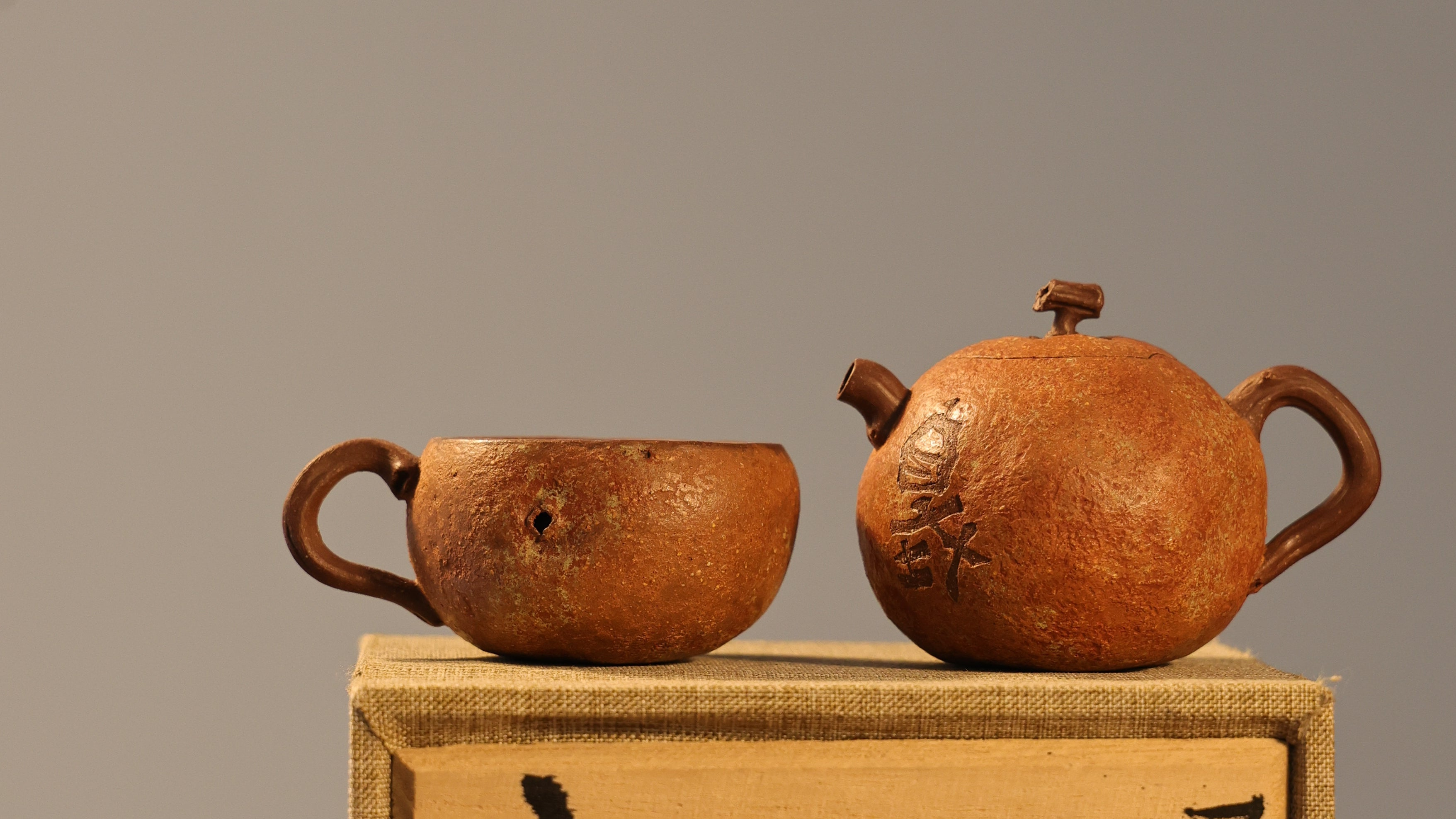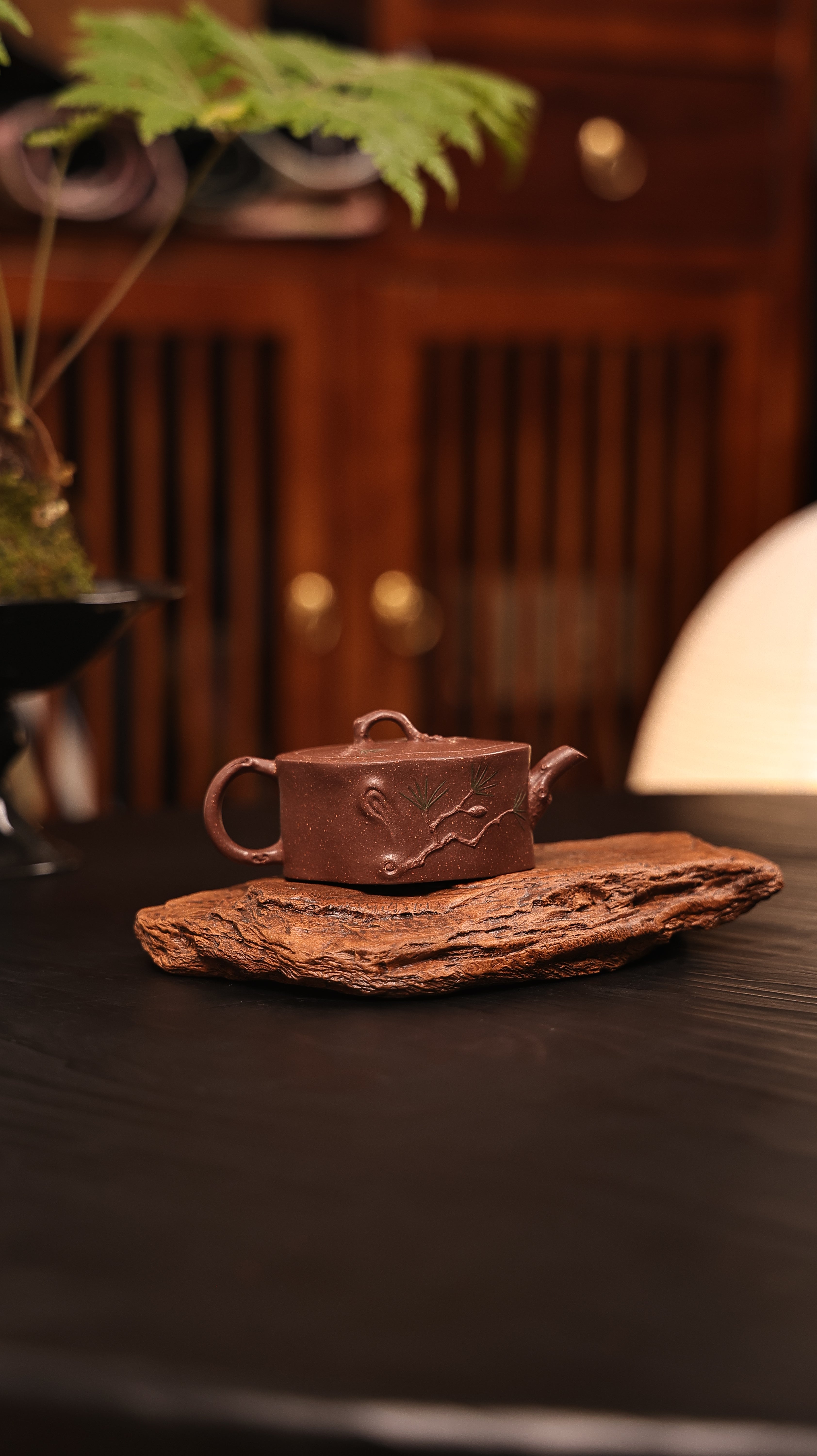
Kicking off such complete exploration about Yi-hsing Zi-sha clay pots offers one gripping fusion among expertise accompanied by efficiency.
Issing Tzu-sa ceramic kettles retain special incomparable fascination regarding collectors globally. Those remarkable porcelain containers, emanating from the exclusive Eysing province inside Jiangsu province, China, embody more than just tea gadgets; they are regarded as works masterful beauty and heritage significance. Such finely refined clay, known as Zisha, imparts a soft flavor onto the tea, and the ornate designs, often showcasing traditional Chinese motifs, improve their natural value. Obtaining a genuine Yixing Zisha teapot is a enjoyable journey, entailing careful analysis and an grasp of the manifold factors influencing its limited availability.
Understanding Yixing Pottery
Eysing teapots boast a colorful heritage deeply interwoven with Chinese culture. Originating in Yixing, Jiangsu division, these earthenware are crafted from a unique, porous purple clay found only in that special location. Their creation began during the Ming session, with master makers refining the methods over epochs. Several types prevail, including the classic Hexiang (resembling crab shells), Zhuni (red-brown hue), and Duan Ni (stone-studded) – each with distinctive aspects. The value of an Yixing brewing pot isn't solely based on its size or embellishment, but also on the artist’s reputation, the substance's quality, Purple Clay Teapot and the pottery’s age and condition. Collectors often seek out older examples, believing they accumulate the taste of the tisane brewed within them over time, further adding to their reputation.- Original Pots
- Coppery Pots
- Granite-Dusted Teapots
Zisha Teapot Mastery: Handiwork & Techniques
An making of Zisha teapots represents a apex of Chinese ceramic craftsmanship. Skilled artisans employ longstanding techniques, often passed down through generations, to unlock the full capability of this unique clay. Practices involve meticulous molding by hand, often combined with the binding method, followed by precise baking at incredibly severe temperatures in wood-fired kilns. Decorating is equally crucial; creators utilize authentic clay colors and may incorporate carving work to depict intricate scenes or patterns, demonstrating a profound familiarity of the material’s properties and spirit. The finished teapot isn't merely a vessel for tea, but a testament to a substantial cultural heritage.
A Earthenware: Distinct Guide to Yi-hsing Tzu-sha
Delving into the world of Oriental teapots routinely kicks off with Yixing Zisha. These distinctive clay pots are fashioned from a dedicated type of clay sourced only in the Yixing region of the Jiangsu province. Acclaimed for its exclusive reddish-purple hue and high-quality qualities, Zisha clay provides a gentle flavor to the beverage and ripens with age, shaping into a cherished valued item. Collecting Yixing Zisha teapots is more than just having a attractive object; it’s a appreciation of culture and technique.
Examining certain Pottery: Authentic Quality & Progression
Delving into the world of Yixing Zisha pottery can be truly lucrative, but demands a precise understanding. Genuine Nature is critical; many imitations exist, generally ingeniously assembled. Familiarizing oneself about ancient roasting procedures, special terracotta traits, and the hallmarks of renowned artisans is wholly essential. What’s more, knowing the intricacies of the market direction – influenced by determinants such as classical consequence and the quality of the item – is paramount to advantageous buying.
- Examining kiln trajectory.
- Requesting specialists for authentication.
- Estimating trading trends.
Unique Technique of Making with a Zisha Urn
A unique allure of a Zisha tool lies not just in its gorgeous appearance, but also in its significant impact on the character of the brew. These ancient clay brewing pots, sourced from certain regions of China, possess a basic porosity that quietly interacts with the liquid and leaves, imbuing the libation with a refined character. Mastering the craft requires a careful approach, understanding how the clay responds to varied heat levels and floral types, ultimately leading to a authentically rewarding sampling process.
Sustaining One's Treasure
Proper handling of your Yixing teapot is important to continuing its durability. These distinctive teapots, crafted from unique Yixing clay, manifest a history over ages that improves their merit. Frequently rinse the inside surface with gentle water, avoiding cleaning agents, and never use powerful scrubbing tools. Some gentle buffing with a soft cloth can facilitate in doing away with residue. Allow your urn to completely dry prior to each preparation
Unlocking Clay: Elements This Ceramic Pots Illustrate Distinct
The noted appeal of Yixing teapots starts from the unique properties of Clay clay, obtained solely near Yixing, China. This extraordinary clay, known as ferruginous mineral , boasts a peculiar combination of elements that, through experience, retain the flavor of the brews it retains. This brings about a distinctive flavor profile for each kettle, rendering it a rate far transcending its baseline price and contributing to their sought-after status among tea enthusiasts.
Identifying the Right Traditional Carafe: A Pottery Explanation
Venturing into the world of Purple clay teapots can feel overwhelming, but understanding the fundamentals is vital to finding a beloved piece. Those clay, sourced principally from the Yixing zone, Jiangsu locality, is noted for its peculiar structure and ability to refine the note of the liquid over period. Review the profile, the cast, and the design quality; a original Zisha teapot is more than just a holder; it's a craftwork and a signifier of oriental culture. Check the signature of the potter for clues to its origin and potential standing.