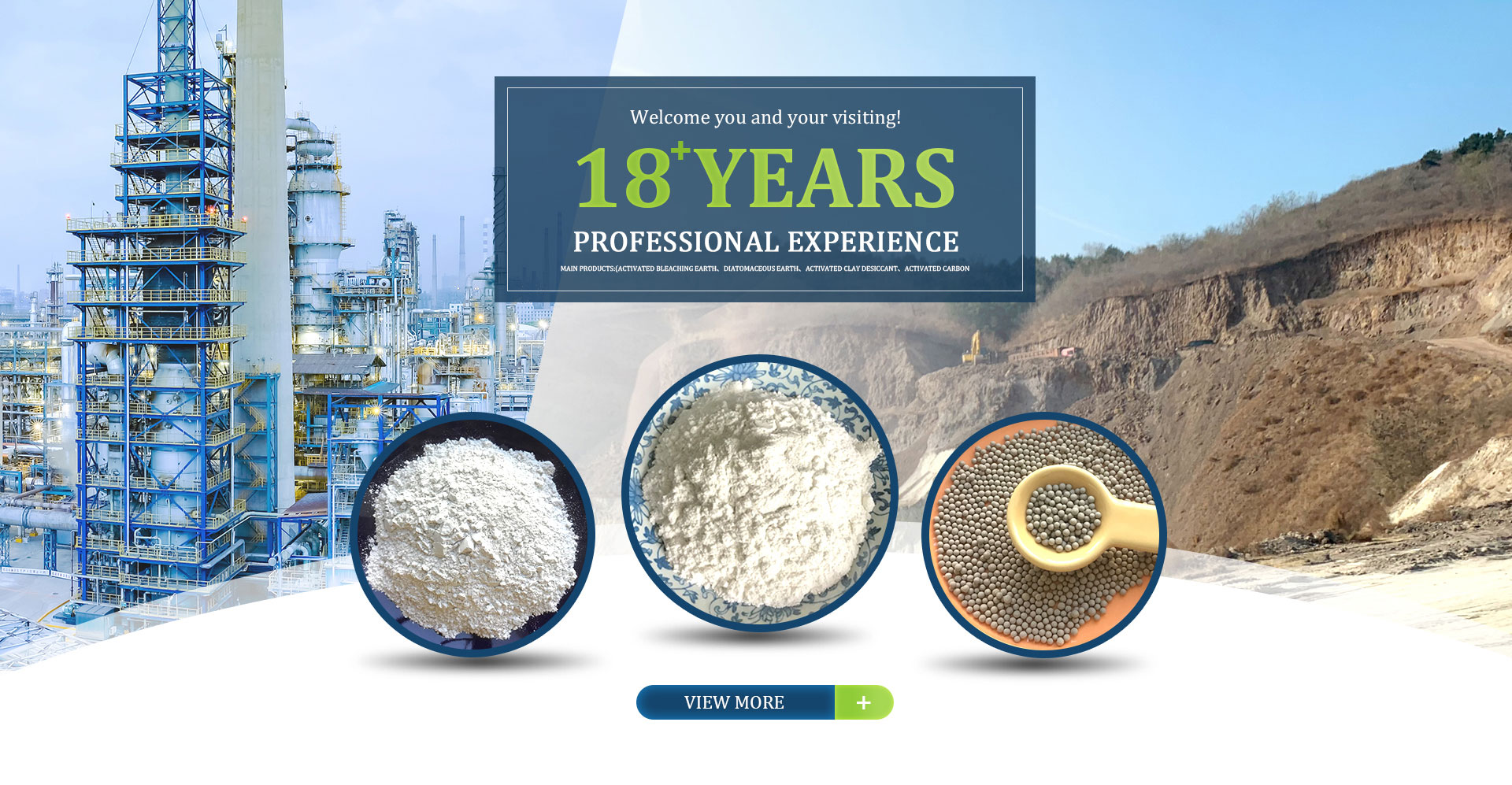
Setting offpermeable siliceous material acts as superior clarifying agent extensively adopted in various manufacturing operations, particularly for purification of refreshments. Taken from the fossilized remains of diatoms, it features a unique open matrix that affords superior filtration. The filter aid works by creating a light porous film on a screening device, enclosing minute residues while letting activated bleaching earth the fluid through. Selecting the appropriate quality of sedimentary filtration aid is paramount for top productivity.
Exploiting Porous Sediment Substance for Cleansing
Microporous compound, composed of the fossilized remains of microscopic algae called diatoms, presents a distinctive option for screening various materials. Its structure, a porous network of amorphous silica shells, provides an incredibly ample surface area. This grants for highly robust removal of debris from fluids. Implementations range from liquid conditioning and fermented drink generation to leisure water clarifying and even farming processes. Strengths include its earth-derived origin, economic viability compared to certain synthetic alternatives, and its proficiency to reliably hold a broad set of foreign bodies.
- Delivers superior particle removal.
- Acts as a green choice.
- Appropriate for broad businesses.
Processed Bleaching Layer: Features and Applications
Upgraded bleaching material is a style of pure montmorillonite that has undergone custom preparation to enhance its capturing capacity. This strategy typically involves enzymatic modification, resulting in a enlarged structure with a broad space. Consequently, it exhibits unparalleled fitness to extract discolorations from a extensive range of fluids, finding vital functions in the detoxification of greases, tallow, and other colored components. Additionally, its harmless quality and monetary advantage contribute to its increasing presence in various industries.
Diatomite vs. Other Filter Aids: Which is Best?
Opting for the prime cleaning assistance for a specific process can be demanding. While silica gel and other substitutes exist, diatomite commonly presents a potent case for its superiority. Versus these opponents, diatomite ordinarily offers improved cleanness and a larger frequency of filtering sediments. However, such perfect choice ultimately depends on variables such as value, operation requirements, and intended achievement grade.
The Theory of Diatomite Filtration
Diatomite or fossilized diatoms filtration straining leverages the unique uncommon structure of aforementioned microscopic negligible algae samples. These specified diatoms, upon at the point of death, form or create a sedimentary or mineral rock or material composed made of intricately extremely porous built silica silicon shells. This such porous sponge-like network matrix provides an incredibly remarkably large area for catching particulate suspended matter contaminants from or within liquids or solutions, achieving or accomplishing highly precise specialized filtration sifting.
Enhancing Whitening Performance Using Treated Clay
Improving the purifying system employing treated earth presents a interesting alternative for advancing capability. That biogenic material, sourced from clay, possesses distinguished retaining traits that permit it to effectively decontaminate stained compounds from textiles, thereby lowering application of harsh synthetic formulas and increasing a environmentally friendly outcome.
Studying Filter Aid Quality Types
Identifying the fitting filtration powder level is paramount for efficient refining processes. Silica media grades are categorized by their dust dimension, frequently expressed in mesh sizes. Less coarse grades, like FF or Filter-X, offer remarkable clarity and are appropriate for delicate liquids, while bulkier grades, such as Perlite or Celite 500, offer a stronger liquid transfer for minimal uses. Understanding these divergences will assist you to enhance your filtration effects and abate expenditure affiliated with the method.
Eco-conscious Sourcing of Diatomite Earth
The swelling demand for microfossil powder earth necessitates a attention on renewable sourcing methods. Traditional excavation often demands significant ecological disturbance and can damage vicinal ecosystems. Now, forward-thinking enterprises are inquiring alternatives, such as restoration of retired sites, ensuring lowered disruption and defending faunal habitats. Furthermore, traceability in the network is developing crucial, allowing shoppers to choose informed determinations and sponsor environmentally wise operations. Therefore, responsible governance of sedimentary mineral earth materials is vital for continued availability and reduced environmental results.
- Abated land destruction.
- Restoration of extraction sites.
- Greater visibility in the logistics.
Altered Brightening Stratum: A Investigative Perspective
Considering a scientific angle, treated lightening soil represents a distinctive class of mineral minerals. In the beginning, halloysite soil is catalytically modified via alteration – typically involving reductive operation – to dramatically amplify its trapping attributes. Those conditioning creates a broad interface with a significant number of electron-rich positions, facilitating the uptake of pigmented impurities from solvent systems. The interaction principally involves molecular attractions and secondary bindings, leading to a enhanced achievement.
