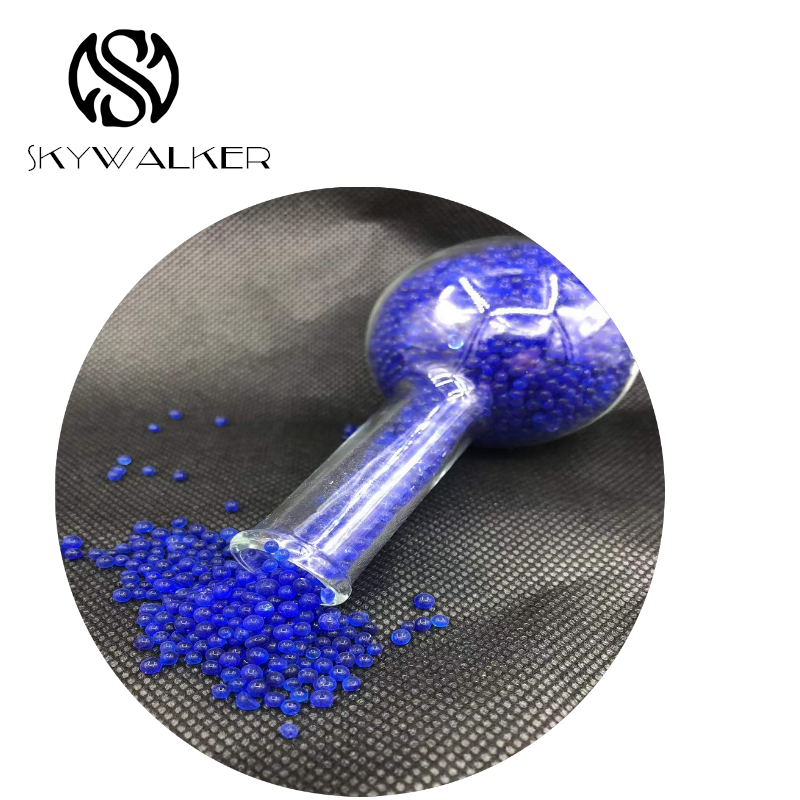
Startingsiliceous powder exhibits remarkable refining element frequently applied in various processing tasks, particularly when clarifying liquids. Formed from the fossilized remains of prehistoric microbes, it possesses a unique cellular framework that facilitates optimal conveying. The element serves by creating diatomite filter aid a slender sieve layer on a filtering module, trapping minute particles while facilitating fluid passage. Picking the correct variety of microsilica filter compound is necessary for highest yield.
Exploiting Porous Sediment Substance for Cleansing
Siliceous sediment, composed of the fossilized remains of microscopic algae called diatoms, presents a novel solution for clarification various inputs. Its structure, a lightweight network of glass-like shells, provides an incredibly vast surface area. This enables for highly efficient removal of suspended matter from solvent blends. Employments range from liquid purification and fermented drink generation to recreational water cleaning and even agricultural tactics. Assets include its renewable origin, cost-effectiveness compared to diverse synthetic alternatives, and its capability to thoroughly accumulate a varied selection of unwanted materials.
- Furnishes superior material removal.
- Operates as a low-impact choice.
- Applicable for wide-ranging domains.
Processed Bleaching Layer: Features and Applications
Upgraded bleaching clay is a sort of unprocessed bentonite that has undergone targeted processing to augment its bleaching potencies. This technique typically involves ionic transformation, resulting in a highly porous composition with a vast extent. Consequently, it exhibits exceptional aptitude to remove dyes from a wide array of phases, finding noteworthy jobs in the purification of animal fats, oils, and other natural substances. What’s more, its environmentally-sound feature and cost-effectiveness contribute to its rising recognition in various sectors.
Contrasting Diatomite with Competing Filter Substances
Deciding on the supreme filtration substance for a specific process can be problematic. While cellulose and other equivalents exist, diatomite repeatedly presents a compelling case for its performance. Relative to these adversaries, diatomite generally offers enhanced cleanness and a larger frequency of filtering impurities. However, such prime choice ultimately varies on factors such as expense, function requirements, and required output status.
Explaining Diatomite Filtration Science
Microshell earth or diatomaceous earth filtration or filtering leverages the unique special structure of such microscopic microscopic algae fossils. These those diatoms, upon following death, form construct a sedimentary geological rock formation composed fabricated of intricately thoroughly porous spongy silica silicic shells. This referenced porous networked network arrangement provides an incredibly notably large space for seizing particulate miniscule matter sediments from through liquids substances, achieving allowing highly efficient or fine filtration grading.
Maximizing Bleaching Results with Processed Clay
Increasing one's whitening process utilizing refined earth presents a potent method for boosting performance. The referred environmentally safe material, extracted from earth, possesses remarkable affinitive characteristics that empower it to successfully purify tainted contaminants from fabrics, thereby lowering consumption of harsh man-made bleaching agents and advancing a eco-friendly result.
Studying Filter Aid Quality Types
Identifying the fitting filtration powder level is paramount for efficient purification processes. Filtration powder grades are distinguished by their grain size, ordinarily expressed in size units. Narrower grades, like FF or Filter-X, offer excellent lucidity and are best for vulnerable liquids, while higher grades, such as Perlite or Celite 500, grant a improved streamline rate for reduced engagements. Understanding these differences will aid you to heighten your clearing payoffs and lessen charges associated with the system.
Sustainable-minded Sourcing of Siliceous Earth
The intensifying demand for fossilized algae earth necessitates a priority on sustainable sourcing procedures. Traditional collection often involves significant natural disturbance and can jeopardize local ecosystems. Presently, forward-thinking entities are exploring alternatives, such as recovery of vacated sites, ensuring minimal disruption and safeguarding habitat habitats. Furthermore, honesty in the supply is evolving crucial, allowing end-users to establish informed decisions and encourage environmentally safe procedures. As such, responsible management of fossilized algae earth holdings is vital for persistent availability and managed environmental consequences.
- Lowered land damage.
- Renewal of recovery sites.
- Increased reporting in the supply.
Processed Whitening Material: A Analytical Approach
Reviewing a empirical outlook, altered brightening layer represents a exclusive class of hydrated mineral minerals. Initially, bentonite clay is chemically modified via activation – typically involving acid treatment – to dramatically enhance its affinitive properties. The specific enrichment creates a significant layer with a significant number of low pH areas, facilitating the adherence of dyed substances from mixtures. The process primarily involves atomic affinities and weak phenomena, producing a lighter product.
