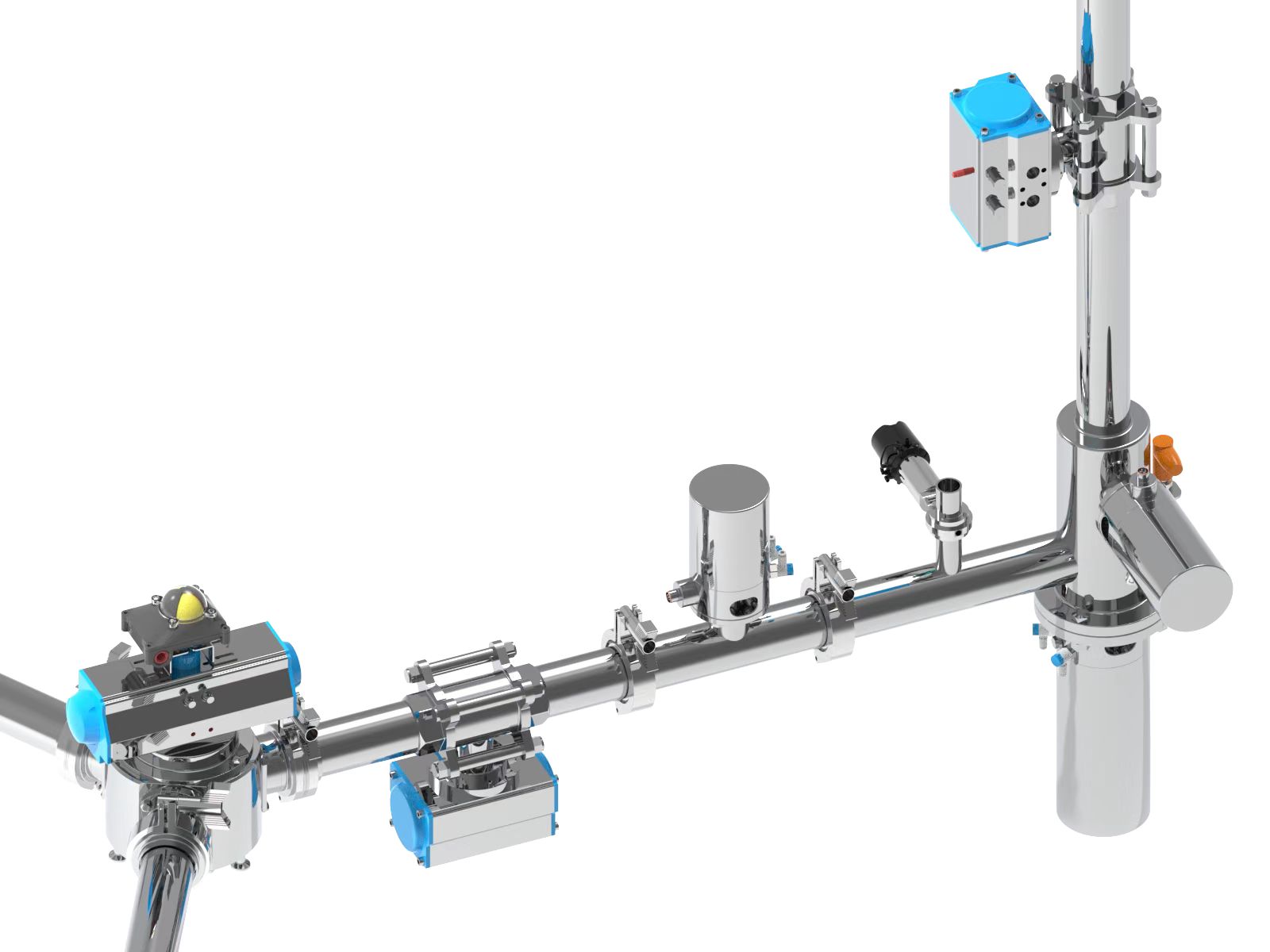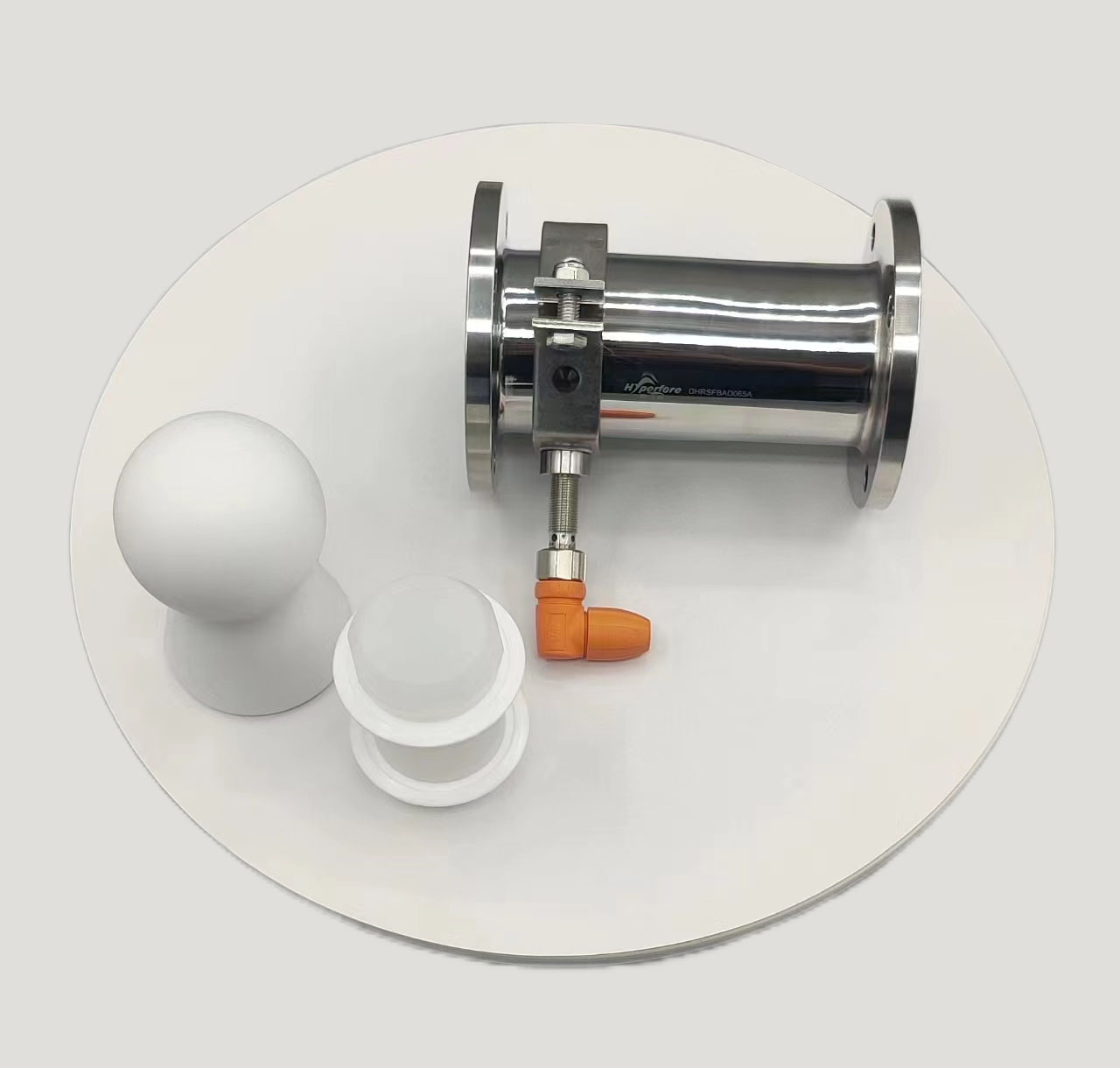
Starting
Automated pigging applications present a considerable asset over non-automated approaches for upholding the wholeness of pipework. These high-tech processes automate the activity of propelling a "pig" – a tailored device – through the pipeline to clean off deposits like rust, decay, and build-up. By curtailing downtime and increasing process productivity, automatic pigging equipment symbolize a crucial allocation for businesses relying on tube transportation of substances.
Pristine Cleaning : Affirming Pipe Sterility in Food & Beverage Field
Retaining impeccable cleanliness within aliment production facilities is vital, particularly when it comes to tubes used for moving concoctions. Hygienic swabbing offers a strong solution. This state-of-the-art technique involves inserting a cleaning device – often a spongy device – into the pipework to dislodge scum, including microorganisms, and maintain holistic neatness. Benefits include reduced likelihood of deterioration, refined beverage standard, and strengthened performance output. Elements for execution include instrument material compatibility with the food and line structure.
- Cuts contamination chance.
- Optimizes commodity excellence.
- Strengthens function efficiency.
Pipeline Solutions: Improving Function and Abating Residuals
Pigging systems offer a substantial benefit in pipe activity for various markets, particularly within the hydrocarbon and production sectors. By conveying a “pig,” a manufactured equipment, through the framework, fouling are cleaned out, improving performance and minimizing product deterioration. This causes a curtailed budget and a more conscious procedure to capital administration.
The Future of Pipelines: Evaluating Smart Pigging Approaches
Such path regarding pipeline infrastructure is significantly being shaped by intelligent pigging processes. Traditionally, pigging activities have counted on periodic intervention, but the emergence about autonomous pigs promises augmented efficiency, decreased downtime, and superior safety. These innovative systems capitalize on scanners, metrics, and machine intelligence to monitor pipelines self-directed, spotting damage and delivering purging tasks with significant precision. Looking widespread integration, automatic pigging represents a essential step in the direction of a more enduring pipeline grid globally.
Pipeline Rinsing vs. Conventional Scrubbing
Upholding pipe integrity within the nutrition industry presents a major challenge. Historically, traditional sanitizing has been the standard method, relying on laborers to directly take away debris and buildup. However, this approach is effortful, vulnerable to inconsistencies, and can be difficult to fully validate. Sanitized swabbing, on the other hand, offers a state-of-the-art alternative. This method utilizes a unit propelled through the conduit to extract deposits, providing a streamlined and regular sanitation process. Key divergences include:
- Expense: Conventional cleaning often involves considerable labor bills, while flushing has early investment less overall expenditures.
- Effectiveness: Scrubbing often offers increased performance compared to manual systems.
- Demonstration: Proving the scope of scrubbing is more straightforward with purging due to record-keeping capabilities.
- Risk: Conventional disinfecting can expose personnel to harmful conditions, whereas rinsing reduces this hazard.
Rolling out an Motorized Pigging Process: Recommended Procedures
Competently launching an self-acting pigging technology requires comprehensive coordination and adherence to industry best methods. At the outset, execute a complete study of your pipeline to ascertain the relevant problems requiring scrubbing. This comprises assessing the variety of impurity, the site of clogs, and the aggregate circumstance of the component. Subsequently, select a pigging system suited for your specific operational demands.
In addition, give attention to detailed guidance for assistants assigned in the execution practice. This is necessary to include briefing on hazard-free control of the instruments and apprehension of emergency protocols.
- Regularly scrutinize the unit and coupled subsidiaries for defects.
- Develop a sturdy preservation timetable.
- Log all line clearance operations and related data.
- Check the bearing on channel rate and substance grade.
To conclude, uninterrupted watching and enhancement of the management strategy are critical for optimizing capacity and increasing the pipeline system’s functional lifespan.
Handling Regular Challenges in Sanitary Clearing Arrangements
Reliable operation of sanitary pigging mechanisms often required proactive assessment. Regularly, obstructions triggered by residue buildup are observed, which is prone to be addressed through thorough inspection leveraging appropriate devices. Furthermore, pressure reductions imply damaged seal mechanisms or pipeline rusting. Routine tending, including instrument removal and detailed inspection of channel status, is vital to reduce closures and ensure greatest output.
Computerized Inspection Frameworks for Industrial Ducts
Robotic purging offers substantial benefits for automatic pigging system manufacturing pipework, significantly optimizing operational capacity. This process provides a sequence of gains, including reduced stoppages, minimized maintenance outlays, and improved good purity.
- Lessened flow decrease leading to resource lowering.
- Enhanced conduit soundness, combating scaling.
- Improved capacity by purging deposits.
- Greater welfare for technicians and the biosphere.
Budgetary Effects with Uncontaminated and Automatic Cleaning Technologies
Implementing pristine and automated pigging systems offers substantial economic advantages for line operators. These leading technologies minimize output loss due to sticky buildup, significantly lowering spoilage. Beyond substance recovery, purging solutions cut down the frequency of timed duct shutdowns for overhaul, translating to expanded productive hours. Furthermore, the limited need for manual labor and additive consumption further boosts the overall profitability of your facility.
- Minimized Substance Loss
- Higher Operational Efficiency
- Lowered Manpower Costs