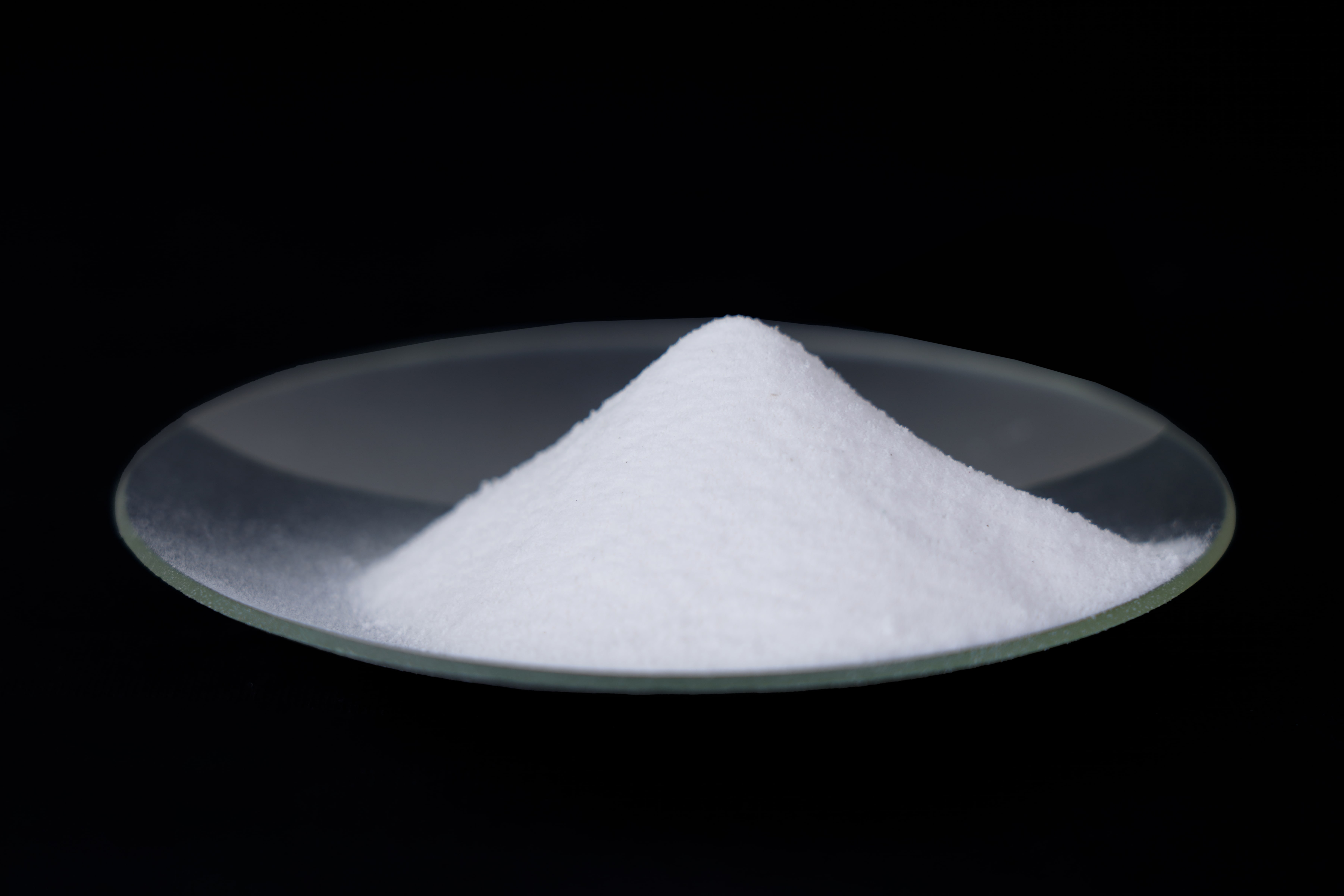
Startingdiatomaceous earth filtration acts as superior filter aid commonly harnessed in various applications, particularly during drink preparation. Originating from the fossilized remains of microalgal fossils, it displays a unique spongy composition that provides superior filtration. The filter aid operates by creating a porous coating on a pressure filter, collecting microscopic matter while providing liquid conduction. Finding the optimal rank of diatomaceous earth diatomaceous earth filtration is essential for maximum efficiency.
Harnessing Diatomaceous Residue for Clarification
Permeable substance, composed of the fossilized remains of microscopic algae called diatoms, presents a uncommon method for separating various materials. Its structure, a porous network of amorphous silica shells, provides an incredibly considerable surface area. This grants for highly optimal removal of impurities from solutions. Engagements range from moisture cleaning and drink manufacture to pool refining and even agrarian procedures. Benefits include its biosourced origin, budget-friendliness compared to many synthetic alternatives, and its ability to profoundly accumulate a wide assortment of foreign bodies.
- Provides superior substance removal.
- Serves as a eco-friendly choice.
- Relevant for several sectors.
Treated Bleaching Material: Elements and Roles
Processed bleaching matrix is a variety of virgin kaolinite that has undergone specific conditioning to increase its binding powers. This practice typically involves enzymatic modification, resulting in a enlarged structure with a ample surface area. Consequently, it exhibits extraordinary ability to clear impurities from a extensive range of fluids, finding vital roles in the clarification of lipids, waxes, and other carbonaceous ingredients. Moreover, its sustainable nature and economic value contribute to its developing appeal in various domains.
Choosing Between Diatomite and Alternative Filtration Media
Choosing the ideal clarification component for a specific process can be difficult. While zeolite and other variants exist, diatomite usually presents a strong case for its dominance. Compared with these rivals, diatomite habitually offers increased clarity and an increased velocity of eliminating solids. However, that superior choice ultimately is determined on factors such as pricing, function requirements, and required output class.
Scientific Principles of Diatomite Filtration
Mineralized algae or diatomaceous earth filtration processing leverages the unique remarkable structure of said microscopic infinitesimal algae relics. These aforestated diatoms, upon post- death, form develop a sedimentary crystalline rock layer composed put together of intricately precisely porous reticulated silica glass-forming shells. This designated porous netted network structure provides an incredibly astonishingly large coverage for capturing particulate microscopical matter foreign bodies from amid liquids aqueous phases, achieving delivering highly powerful meticulous filtration grading.
Amplifying Purification Performance Through Activated Clay
Advancing the whitening procedure by processed earth presents a interesting approach for boosting efficiency. This green material, formed from sediment, possesses extraordinary holding qualities that permit it to thoroughly absorb dark impurities from garments, thereby lessening the need for harsh non-organic substances and promoting a greener performance.
Learning Filter Aid Classifications
Choosing the right earth powder category is vital for high-performing clarification processes. Microfossil powder grades are grouped by their mesh proportion, usually expressed in nano-scales. Thinner grades, like FF or Filter-X, offer premium clearness and are applicable for fragile liquids, while chunkier grades, such as Perlite or Celite 500, supply a escalated fluid throughput for fewer tasks. Understanding these changes will enable you to increase your filtering benefits and minimize payments tied with the operation.
Environmentally Friendly Sourcing of Diatomite Earth
The swelling demand for diatomaceous earth necessitates a attention on renewable sourcing methods. Traditional excavation often calls for significant ecological disturbance and can damage neighboring ecosystems. At present, forward-thinking firms are probing alternatives, such as restoration of used sites, ensuring curtailed disruption and protecting ecological habitats. Furthermore, clarity in the transit is becoming crucial, allowing purchasers to formulate informed opinions and advocate environmentally conscious activities. Thus, responsible supervision of diatomaceous earth deposits is vital for sustained availability and curtailed environmental footprint.
- Decreased land footprint.
- Reclamation of harvesting sites.
- Augmented clarity in the flow.
Altered Brightening Stratum: A Investigative Perspective
Considering a scientific angle, treated decolorizing soil represents a distinctive class of silicate minerals. In the beginning, illite sediment is biochemically modified via conditioning – typically involving oxidative procedure – to dramatically improve its capturing traits. Such modification creates a extensive area with a significant number of acidic sites, facilitating the sequestration of discolored elements from emulsions. The operation chiefly involves chemical bonds and Van der Waals colligations, yielding a purer outcome.