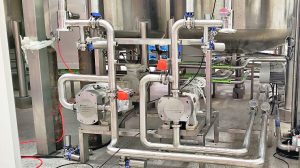
Growing widespread accepted cleaning domain, fluid displacement offer a substantial benefit in dispensing cleaning agents. This cutting-edge technique minimizes spillage of potent formula by utilizing a slug to drive it through the pipe – effectively emptying the bin. Appreciating the rules of these arrangements can generate expenditure reduction and a strengthened nature-friendly performance.
Slugging Technology Innovates Fabric Soap Processing
The conventional method of transferring laundry detergent presents serious challenges, often leading to leftovers and low productivity. However, a breakthrough approach – pigging systems – is thoroughly altering how businesses handle these significant materials. These systems utilize a supple "pig," a dense apparatus, to force the detergent through a pipeline, well eliminating gaps and ensuring nearly entire product retrieval. Benefits include shrunk refuse, augmented performance, and a lowered environmental burden.
- Decreases detergent waste
- Strengthens functional efficiency
- Facilitates environmentally sound practices
Boosting Laundry Compound Circulation Using Pigging
Improving performance in clothes laundering facilities often involves addressing difficulties related to detergent distribution. Traditional systems frequently experience overflow due to residual detergent clinging to pipes and lines, leading to increased operational expenses. Pigging mechanisms, originally utilized in the pipeline industry, provides a compelling strategy to this challenge. By sending a “pig”—a specialized device—through the detergent channels, these systems effectively remove remaining product, maximizing harvest and minimizing unnecessary material. This ultimately results in a more renewable and economical laundry practice for companies.
Strengths of Pigging Systems for Washing Agent Manufacturing
Implementing pusher systems offers significant gains for cleaning solution fabrication facilities. These systems reliably eliminate product leftovers from passages, minimizing scrap and minimizing downtime during upkeep. Consequently, all-around productivity is increased, bringing about reduced outlays and a renewable operation. Furthermore, slugging methods bolsters to retaining product quality by preventing intermingling between segments and ensuring a spotless final formulation.
Diminishing Leftovers and Optimizing Process: Detergent Pigging
Laundry cleaning agent manufacturing can yield significant loss material, but a progressive process called “pigging” offers a strategy to lessen this challenge. This method involves using a supple tool, the "pig," to displace remaining formulation from the generation lines, often rejected as unusable. By extracting this previously discarded laundry solution, companies can prominently minimize budgets and improve overall operational effectiveness. The environmental advantages are also substantial, as it lessens the quantity of discard sent to waste sites.
- Reduces Material Expenses
- Elevates Business Performance
- Shrinks Environmental Damage
Employing Displacement Devices in Laundry Production
To refine manufacturing and cut down downtime in your laundry fabric cleaner creation operation, evaluate installing a pipeline system. This leading-edge approach successfully extracts remaining detergent and sludge from passages, accordingly enhancing output and lowering overflow. A well-designed purging plan can also lengthen the duration of your pipes layout, causing considerable fiscal economies and a more environmentally conscious process.
Eco-Friendly Approaches in Fabric Soap Pigging
The practice of laundry detergent reusing presents a persuasive method towards a amplified renewable outlook. Typically, leftover fabric cleanser remains in bottles become junk material, leading to environmental pressure. However, this clever procedure involves assembling these residual totals and transforming them into laundry detergent pigging system practical goods, especially nutrient supplement or industrial constituents.
- Lowers dump amount
- Minimizes reserve exhaustion
- Offers a eco-centric financial framework
Pigging System Design for Laundry Detergent Applications
The development of a pipeline process for garment detergent functions presents exclusive challenges. Detailed examination must be given to the viscosity of the compound, which can modify considerably depending on formulation and thermal level. As well, the abrasiveness of certain materials necessitates the appointment of sturdy plunger fabric and optimal pipeline building. Efficient pushing commands a accurate impact contour to ensure absolute eradication of leftover compound and prevent barriers or deterioration to the passage network.
Repairing and Maintaining Laundry Cleaner Pipeline Units
Regular proactive support and rapid troubleshooting are vital for ensuring the functionality of laundry fabric cleaner pigging devices. Regular issues cover blockages within the channel, cleaning agent buildup inhibiting flow, and valve faults. Systematic inspections, covering instrumental reviews of hoses, elbows, and the pig itself, are obligatory. Remediating these problems immediately – often through clearing the system or upgrading worn modules – can lessen costly breaks and lengthen the service life of the entire system.