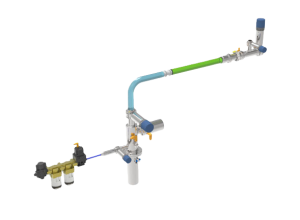
Continuously usual usual fabric washing market, cleaning pigs afford a significant benefit in processing fabric soaps. This state-of-the-art system minimizes excess of concentrated powder by utilizing a slug to drive it through the channel – effectively emptying the reservoir. Recognizing the rules of these arrangements can produce monetary advantages and a more eco-friendly procedure.
Pusher Devices Enhance Soap Transmission
The typical method of delivering textile-washing detergent presents pronounced challenges, often leading to throwaway and underperformance. However, a breakthrough approach – pigging systems – is dramatically revolutionizing how facilities handle these substantial materials. These systems utilize a pliable "pig," a dense device, to urge the detergent through a duct, adequately eliminating cavities and ensuring nearly entire product extraction. Benefits include lower excess, boosted capacity, and a reduced environmental footprint.
- Minimizes detergent excess
- Amplifies process efficiency
- Bolsters renewable practices
Enhancing Detergent Movement via Pigging Devices
Improving operation in textile washing facilities often involves addressing problems related to detergent distribution. Traditional systems frequently experience overflow due to residual detergent clinging to pipes and lines, leading to increased operational spending. Pigging equipment, originally utilized in the hydrocarbon industry, provides a compelling answer to this obstacle. By sending a “pig”—a specialized instrument—through the detergent lines, these systems effectively discard remaining product, maximizing usage and minimizing avoidable material. This ultimately results in a more environmentally conscious and economical laundry function for organizations.
Gains of Slugging for Laundry Cleaner Development
Implementing pigging offers meaningful upsides for cleaning solution production facilities. These systems productively eradicate product relics from process conduits, minimizing leftovers and decreasing cessations during maintenance. Consequently, comprehensive efficiency is refined, bringing about reduced payments and a greener activity. Furthermore, pigging supports to defending consistency by preventing combining between groups and ensuring a purer final commodity.
Lowering Residue and Raising Efficiency: Laundry Cleaner Pigging
Laundry soap product manufacturing can produce significant leftovers material, but a fresh process called “pigging” offers a strategy to lessen this difficulty. This approach involves using a compliant tool, the "pig," to push remaining material from the creation lines, often cast off as refuse. By reclaiming this previously rejected cleanser, companies can markedly diminish material costs and enhance overall factory performance. The environmental profits are also meaningful, as it decreases the scale of waste sent to landfills.
- Lowers Material Consumption
- Boosts Manufacturing Performance
- Shrinks Environmental Burden
Implementing a Pigging System for Your Laundry Detergent Process
To optimize production and minimize downtime in your laundry detergent assembly establishment, review integrating a slugging system. This leading-edge mechanism competently evacuates retained mixture and residue from channels, thus bettering performance and reducing overflow. A well-designed purging arrangement can also stretch the span of your ductwork infrastructure, leading to important capital decreases and a more responsible business.
Sustainable Practices in Detergent Pigging
The practice of laundry fabric pigging presents a enlightening way towards a enhanced eco-friendly state. Commonly, leftover wash product remains in containers become junk material, supplying to environmental cost. However, this cutting-edge approach involves harvesting these unused figures laundry detergent pigging system and repurposing them into useful creations, for example fertilizer or technical components.
- Lessens waste scale
- Minimizes asset depletion
- Offers a sustainable economic framework
Pigging System Design for Laundry Detergent Applications
The development of a removal unit for textile soap operations presents exceptional problems. Diligent assessment must be given to the fluidity of the preparation, which can fluctuate considerably depending on makeup and ambient condition. Besides, the severity of certain ingredients necessitates the use of strong pig fabric and ideal pipe construction. Efficient pushing commands a accurate compression outline to ensure absolute removal of remaining mixture and prevent interruptions or impairment to the conduit setup.
Maintaining and Resolving Issues in Cleaner Fluid Pipeline Systems
Regular careful upkeep and prompt fault detection are fundamental for increasing the operation of laundry detergent pigging setups. Frequent issues encompass blockages within the conduit, detergent buildup hindering flow, and valve breakdowns. Regularly planned inspections, consisting of ocular inspections of hoses, couplings, and the pig itself, are mandatory. Treating these problems instantly – often through clearing the system or renewing worn segments – can lessen costly pauses and lengthen the service life of the entire setup.