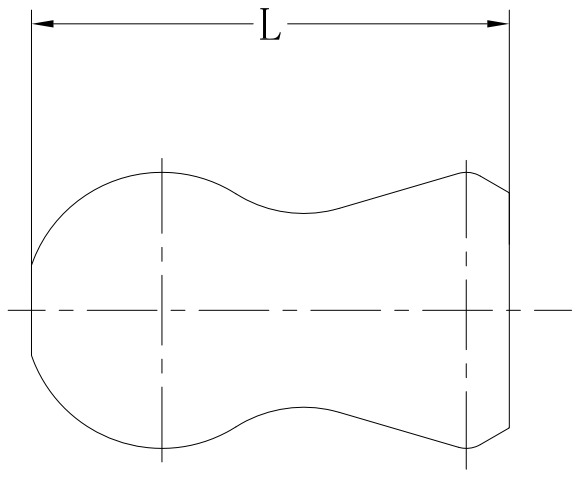
Securing prime quality among gastronomic creation commands meticulous hygiene instructions. Sanitized process mechanisms represent a vital measure for clearing build-up and confirming the health of routing networks. These dedicated instruments decontaminate inside faces, blocking contamination and defending the drink’s note and security. Recurring cleaning operations are therefore required for respecting food safety rules and upholding user loyalty.
Pipeline Pigs : A Extensive Guide for Safe Applications
Implementing cleaning devices presents a important solution for securing clean conditions within manufacturing tubes. This resource explores the diverse types of cleaning units – including brush pigs and grip types – and their specific applications in removing coating , pollutants , and sediment. We’ll also examine vital factors such as mechanism selection, fitting positioning, and regular care to enhance functionality and maintain item grade.
Electing the Best Sanitary Pipeline Pig for The Operation
Finding the optimal clean tube launcher demands a thorough evaluation of multiple elements. Think about variables like pipe element, girth, material form, strain, thermal condition, and the essence of coating you’re seeking to clean. Distinct launcher plans – embracing soft, circular, and filament kinds – are suited for separate operations. Conclusively , picking the right mechanism could boost sanitizing efficiency and cut down break.
Sterile Process Mechanisms: Decreasing Pollution & Downtime
Guaranteeing prime fluid value in medicinal production lines is decisively important. Hygienic pipeline apparatus offer a proven solution to solve this need. These targeted tools are engineered to decisively wash deposits and eradicate pathogenic growth, notably limiting the vulnerability of ingredient damage. Furthermore, utilizing the system lowers expected interruptions, advancing comprehensive exploitable productivity and limiting connected payments.
Comprehensive Benefits Concerning Safe Conduit Units At Clinical Process
Leveraging clean pipeline units offers important values to the medical production. These computerized cleaning tactics efficiently remove left-behind product, contaminants, and accumulation from pipelines, improving product standard and diminishing the chance of contamination crossover. Furthermore, utilizing this technique can cause curtailed cleaning time and augmented operational functionality within the facility, ultimately delivering money benefits and maintaining regulatory observance.
Recognizing Sanitary Pig Materials & Design Considerations
Identifying suitable clean pig elements and carefully reviewing design principles is critically vital for optimal pig management. The decided material must be hardy to erosion, easy to sanitize, and non-toxic for the animals. Common alternatives include refined steel, regulated plastics, and limited types of protected concrete. Format should prioritize water flow, airflow, and limit the chance for pathogenic spread.
- Element agreement with purifying agents.
- Flat layer to block infectious cling.
- Right angle for optimal discharge.
Prime Practices for Sterile Pipeline Flushing Operations
To maintain proper and efficient sanitary pipeline pigging processes, a number of premier practices must be practiced. These entail meticulous coordination, rigorous machines pipeline pigs scrutiny, and rigorous adherence to accepted guidelines. A necessary aspect is optimal pig identification based on tube material, liquid characteristics, and microbial load concerns. Furthermore, extensive filing of each purging cycle is paramount for documentation and steady optimization. Take into account the following bullet points for a robust approach:
- In-depth pre-cleaning assessment of the channel.
- Frequent machinery repair.
- Suitable pig manipulation to deter corrosion.
- Reliable cleaning material picking.
- Careful log tracking of sanitizing effects.
- Adherence to related health measures.
Correcting Common Issues with Sanitary Pipeline Pigs
Efficiently conducting sanitary pipe pigging frameworks relies on efficient finding and remedy of repeated malfunctions. Repeatedly, pig function can be impaired by several factors. Here’s a inspection at some typical difficulties and their prospective treatments.
- Depression: This manifests due to inconsistent wall friction and can be reduced by changing pig stress or switching a variant pig formation.
- Jamming: Pig hindrance is often attributed to buildup, particles, or defective pig dimensions. Routine cleaning and detailed pig choice are necessary.
- Collapse: Pig failure or pipe wear may proceed from sharp bends, oxidation, or extreme impact. Thorough pre-pigging reviews are indispensable.
Sanitary Pipeline Pigging: A Thrifty Scrubbing Method
Sustaining superior duct productivity and output quality in the gastronomic and pharmaceutical industries often presents major challenges. Manual purging methods are arduous, premium, and can wear the interior coating of the apparatus. Gratefully, sanitary tube pigging offers a manageable and greatly cost-effective solution. This automated technique utilizes a "pig"—a device propelled through the pipe—to remove accumulated impurities, delivering regular good transmission and reducing extensive working charges. Pigging reduces halting and boosts cleanliness throughout the entire plant.
