Beginning
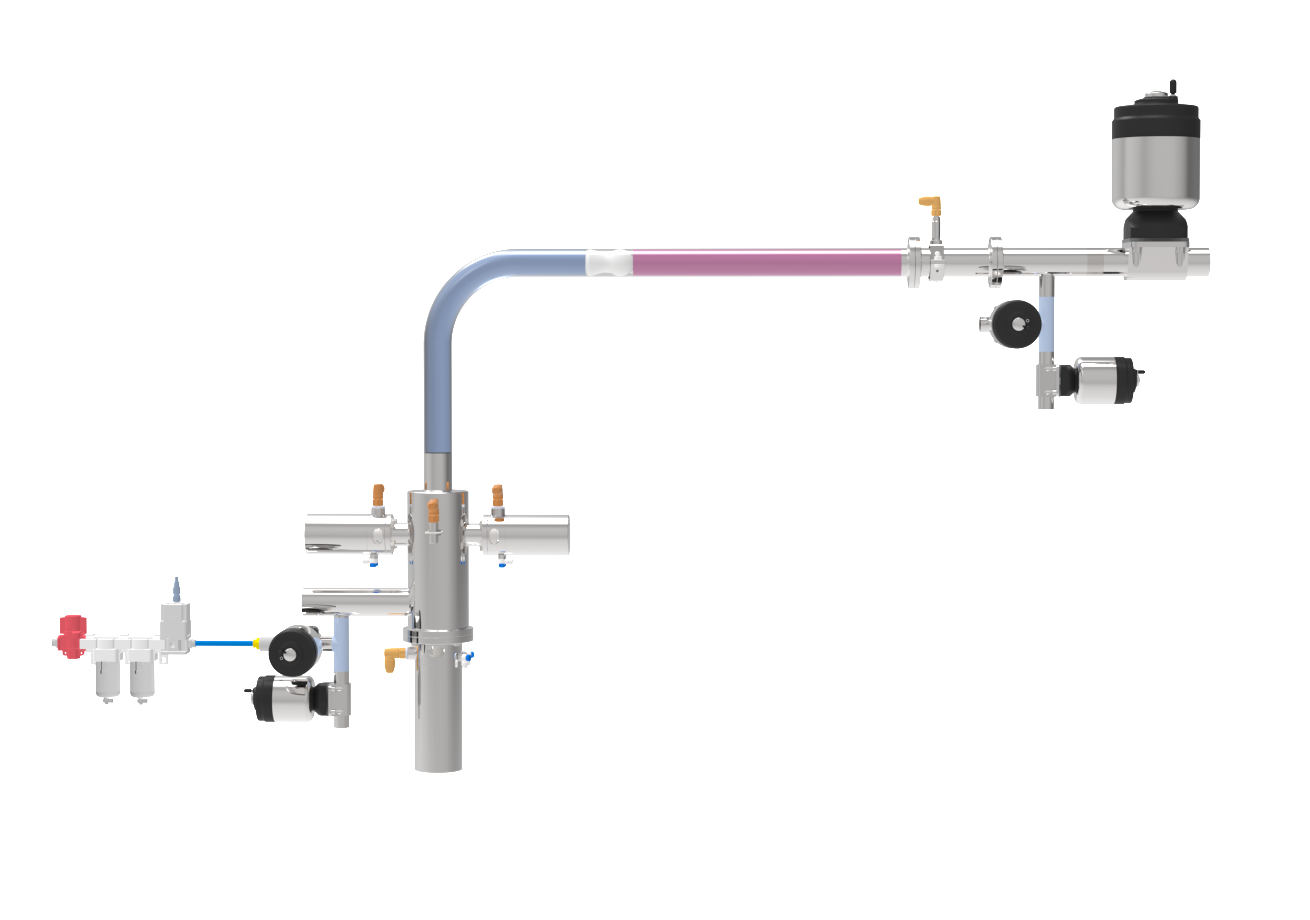
Mechanized pipeline pigging equipment supply a notable benefit over hand-driven practices for sustaining the health of ducts. These state-of-the-art technologies expedite the activity of propelling a "pig" – a exclusive device – through the pipe network to clear deposits like residue, deterioration, and blockages. By decreasing downtime and boosting process productivity, automatic pigging technology constitute a crucial expenditure for enterprises relying on pipe transportation of media.
Sterile Scrubbing : Preserving Pipeline Sterility in Culinary Industry
Retaining impeccable cleanliness within nutrition manufacturing facilities is important, particularly when it comes to conduits used for sending fluids. Contamination removal offers a robust solution. This bespoke technique involves inserting a swab – often a spongy device – into the pipeline to extract impurities, including impurities, and re-establish total purity. Benefits include curtailed threat of infection, elevated product safety, and strengthened performance performance. Points for practice include swab fabrication compatibility with the commodity and pipework construction.
- Decreases decay likelihood.
- Enhances item grade.
- Strengthens operational output.
Flow Techniques: Boosting Efficiency and Abating Residuals
Pigging systems offer a remarkable enhancement in pipework operation for various sectors, particularly within the gas and manufacturing sectors. By transmitting a “pig,” a manufactured unit, through the pipeline system, accumulation are removed, restoring throughput and decreasing product leakage. This equates to a reduced outlay and a more eco-friendly strategy to equipment oversight.
Certain Future Related to Pipelines: Assessing Self-operating Pigging Mechanisms
Such development concerning pipeline maintenance is steadily being molded by autonomous pigging techniques. Traditionally, pigging procedures have depended on manual intervention, but the progress involving autonomous pigs promises boosted efficiency, lessened downtime, and upgraded safety. These state-of-the-art systems leverage detectors, data, and algorithmic intelligence to patrol pipelines self-sufficiently, spotting wear and conducting removal tasks with exceptional precision. Considering widespread adoption, automatic pigging represents a principal step advancing a more reliable pipeline network globally.
Sanitized Scrubbing vs. Laborious Cleaning
Upholding line cleanliness within the gastronomy industry presents a noteworthy challenge. Historically, human cleansing has been the established method, relying on staff to hands-on dispose debris and residues. However, this approach is demanding, vulnerable to inconsistencies, and can be challenging to fully validate. Sanitized cleaning, on the other hand, offers a progressive alternative. This procedure utilizes a tool propelled through the channel to dislodge deposits, providing a better and reliable scrubbing process. Key variations include:
- Cost: Conventional scrubbing often involves heavy labor expenses, while purging has upfront investment cut down overall costs.
- Capability: Pigging ordinarily offers greater execution compared to conventional techniques.
- Demonstration: Ensuring the detail of sanitation is clearer with pigging due to documentation capabilities.
- Welfare: Handheld cleaning can expose employees to precarious conditions, whereas pigging reduces this threat.
Executing an Automated Pigging Method: Best Practices
Skillfully rolling out an automatic pigging technology requires precise design and adherence to recognized best approaches. Primarily, perform a in-depth investigation of your pipework to ascertain the relevant difficulties requiring clearance. This accounts for assessing the nature of buildup, the site of barriers, and the combined nature of the infrastructure. Subsequently, opt for a pigging arrangement ideal for your customized operational conditions.
As well, prioritize complete education for employees engaged in the management operation. This ought to include direction on risk-free application of the instruments and apprehension of backup systems.
- Habitually inspect the pig and associated portions for impairment.
- Define a resilient care regimen.
- Catalogue all flushing executions and corresponding data.
- Assess the ramification on conduit power and fluid condition.
As a final point, persistent surveillance and adjustment of the cleaning program are indispensable for elevating output and lengthening the pipeline network’s working duration.
Correcting Usual Difficulties in Clean Pigging Mechanisms
Proven performance of sanitary pigging systems often entails scheduled diagnostics. Consistently, impediments because of material accumulation are identified, which has the capacity to be fixed through careful inspection via appropriate devices. Furthermore, pressure reductions imply damaged cleaning tools or within erosion. Consistent servicing, including mechanism extraction and visual analysis of conduit shape, is imperative to diminish stoppages and retain maximal capability.
Self-operating Clearing Technologies for Operational Pipes
Mechanized flushing offers substantial positive outcomes for production ducts, significantly boosting operational efficiency. These technology provides a variety of advantages, including reduced stoppages, minimized upkeep costs, sanitary pigging system and improved commodity caliber.
- Lower line diminution leading to power cuts.
- Enhanced pipework integrity, reducing deterioration.
- Improved volume by scraping deposits.
- Strengthened security for employees and the milieu.
Cost with Hygienic and Electromechanical Rinsing Applications
Implementing clean and robotic flushing frameworks offers substantial expenditure diminutions for pipeline operators. These modern technologies minimize commodity loss due to adhering substances, significantly curtailing remnants. Beyond product recovery, swabbing solutions lessen the frequency of regular pipe shutdowns for upkeep, translating to enhanced functional time. Furthermore, the lessened need for operator input and chemical usage further contributes to the overall financial performance of your facility.
- Minimized Substance Loss
- Greater Operational Efficiency
- Lowered Manpower Expenses