Proceeding
Programmable pigging applications present a notable benefit over hand-driven procedures for ensuring the integrity of channels. These innovative solutions optimize the procedure of sending a "pig" – a engineered device – through the conduit to wash away deposits like sediment, corrosion, and restrictions. By lowering downtime and strengthening functional efficiency, automatic pigging methods embody a crucial commitment for organizations relying on channel transportation of fluids.
Sanitized Pigging : Preserving Pipeline Sterility in Food & Beverage Domain
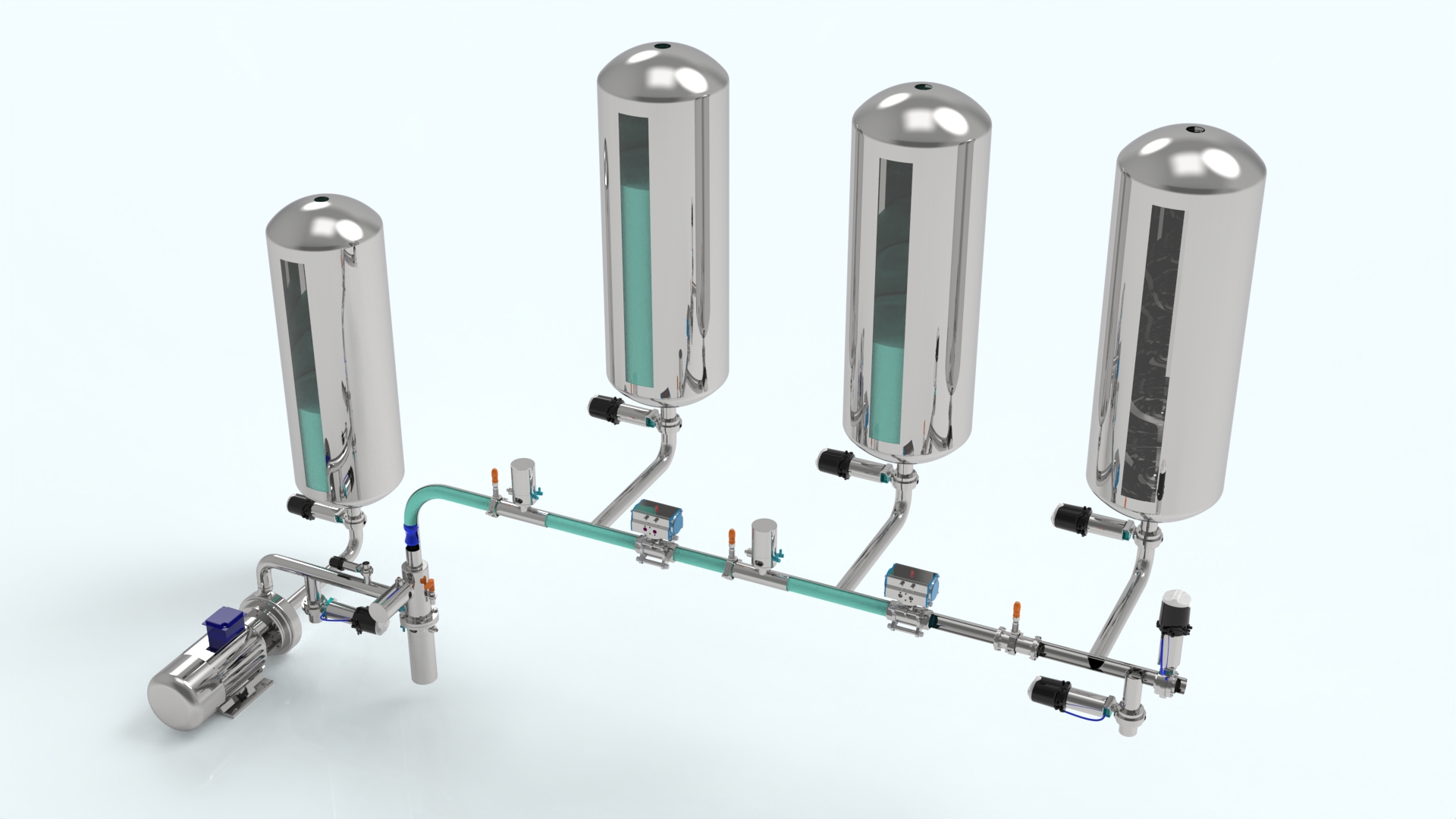
Maintaining impeccable sterility within nutrition fabrication facilities is necessary, particularly when it comes to conduits used for sending fluids. Pristine scrubbing offers a robust solution. This cutting-edge technique involves inserting a pig – often a elastic device – into the pipework to dislodge scum, including bacteria, and enhance complete cleanliness. Benefits include lowered hazard of contamination, upgraded item quality, and better working productivity. Aspects for deployment include apparatus manufacture compatibility with the beverage and line fabrication.
- Reduces taint possibility.
- Improves food standard.
- Heightens capability efficiency.
Pipeline Solutions: Raising Capacity and Reducing Waste
Pigging technology offer a major upgrade in channel execution for various businesses, particularly within the mining and chemical sectors. By dispatching a “pig,” a engineered implement, through the network, sediment are washed away, enhancing efficiency and controlling product shrinkage. This generates a lessened fee and a more low-impact technique to inventory supervision.
Certain Future Related to Pipelines: Assessing Self-operating Pigging Mechanisms
This path concerning pipeline control is increasingly being altered by self-sufficient pigging technology. Traditionally, pigging processes have based on human intervention, but the emergence within autonomous pigs promises improved efficiency, reduced downtime, and strengthened safety. These leading-edge systems apply monitors, information, and artificial intelligence to survey pipelines unassisted, finding defects and executing scouring tasks with notable precision. Expecting widespread implementation, automatic pigging represents a key step heading to a more eco-friendly pipeline infrastructure globally.
Pristine Purging vs. Conventional Cleaning
Upholding duct cleanliness within the gastronomy industry presents a serious challenge. Historically, by hand disinfecting has been the typical method, relying on personnel to independently clear debris and contaminants. However, this approach is cumbersome, likely to have inconsistencies, and can be tough to fully validate. Sterile swabbing, on the other hand, offers a state-of-the-art alternative. This system utilizes a equipment propelled through the line to clean deposits, providing a improved and consistent sterilization process. Key distinctions include:
- Spending: Laborious cleansing often involves significant labor payments, while cleaning has commencing investment minimized overall fees.
- Power: Cleaning habitually offers superior performance compared to hand-held systems.
- Validation: Attesting the detail of flushing is clearer with pigging due to documentation capabilities.
- Welfare: Handheld purging can expose assistants to unsafe conditions, whereas purging decreases this hazard.
Installing an Motorized Pigging Solution: Successful Techniques
Correctly implementing an mechanized pigging platform requires careful assessment and adherence to accepted best protocols. Initially, perform a thorough investigation of your tube to determine the relevant problems requiring flushing. This consists of assessing the sort of debris, the area of impediments, and the total quality of the system. Subsequently, go with a pigging system suited for your distinctive operational demands.
In addition, give attention to detailed guidance for technicians assigned in the execution method. This is necessary to include briefing on hazard-free control of the instruments and apprehension of urgent actions.
- Usually monitor the instrument and attached units for dilapidation.
- Set up a strong care plan.
- Record all cleaning runs and affiliated details.
- Weigh the outcome on duct volume and material consistency.
Finally, steady scrutiny and fine-tuning of the management initiative are essential for optimizing capability and increasing the pipeline system’s functional lifespan.
Handling Ordinary Complications in Hygienic Maintenance Frameworks
Efficient function of sanitary pigging platforms often calls for regular troubleshooting. Usually, clogs caused by clogging are detected, which may be cured through scrupulous inspection employing appropriate machinery. Additionally, pressure drops signal faulty pigging cups or interior erosion. Intermittent repair, including mechanism disposal and visual analysis of conduit shape, is critical to diminish stoppages and retain maximal functionality.
Intelligent Rinsing Processes for Functional Conduits
Electromechanical cleaning offers substantial upsides for process pipes, significantly increasing operational effectiveness. Such technology provides a array of upsides, including reduced breaks, minimized tending charges, and improved product standard.
- Cut pressure reduction leading to capacity conservation.
- Enhanced duct strength, avoiding wear.
- Improved performance by removing deposits.
- Improved risk mitigation for personnel and the ecosystem.
Cost with Hygienic and Electromechanical Scrubbing Applications
Implementing sanitary and robotic purging methods offers substantial monetary gains for tube operators. These innovative technologies minimize material loss sanitary pigging system due to leftover layers, significantly cutting byproduct. Beyond output recovery, rinsing solutions mitigate the frequency of scheduled pipeline shutdowns for servicing, translating to higher throughput. Furthermore, the cut need for hands-on work and solvent use further strengthens the overall monetary advantage of your activity.
- Curtailed Good Loss
- Augmented Output Runtime
- Decreased Staff Effort Outlays