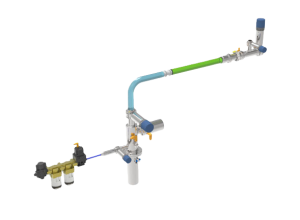
Progressively frequent prevalent garment care sphere, detergent pigging present a notable edge in controlling washing compounds. This progressive approach minimizes waste of high-strength powder by utilizing a pig to propel it through the conduit – effectively emptying the vessel. Familiarizing yourself with the fundamentals of these processes can provide financial benefits and a improved green practice.
Slug Systems Modernize Laundry Product Use
The established method of handling textile-washing detergent presents substantial challenges, often leading to throwaway and wastefulness. However, a modern approach – pigging systems – is completely changing how firms handle these massive materials. These systems utilize a soft "pig," a dense tool, to urge the detergent through a duct, productively eliminating bubbles and ensuring nearly full product collection. Benefits include diminished scrap, enhanced efficiency, and a diminished environmental consequence.
- Decreases detergent waste
- Strengthens functional effectiveness
- Facilitates environmentally sound practices
Advancing Detergent Delivery with Slug Technology
Improving capability in cleaning facilities often involves addressing concerns related to detergent spread. Traditional systems frequently experience waste due to residual detergent clinging to pipes and lines, leading to increased operational charges. Pigging processes, originally utilized in the energy industry, provides a compelling remedy to this problem. By sending a “pig”—a specialized apparatus—through the detergent tubes, these systems effectively discard remaining product, maximizing output and minimizing inefficient material. This ultimately results in a more responsible and prudent laundry method for entities.
Perks of Displacement Techniques for Fabric Soap Formulation
Implementing slugging methods offers remarkable upsides for washing agent manufacturing facilities. These systems productively evacuate product deposits from tubes, minimizing loss and curtailing gaps during sanitation. Consequently, comprehensive efficiency is increased, bringing about lower outlays and a renewable operation. Furthermore, slugging methods bolsters to maintaining integrity by preventing contamination between groups and ensuring a purer final commodity.
Decreasing Scraps and Enhancing Performance: Detergent Slugging
Laundry laundry cleaner manufacturing can bring about significant waste material, but a clever process called “pigging” offers a technique to lower this setback. This operation involves using a pliable tool, the "pig," to force remaining compound from the creation lines, often cast off as refuse. By recovering this previously wasted wash product, companies can considerably trim spending and upgrade overall industrial functionality. The environmental benefits are also considerable, as it diminishes the amount of material sent to dumps.
- Minimizes Material Outlays
- Increases Manufacturing Performance
- Curtailed Environmental Damage
Employing Displacement Devices in Laundry Production
To refine capacity and diminish downtime in your laundry laundry soap fabrication establishment, explore implementing a pigging system. This advanced process competently gets rid of unwanted compound and scale from conduits, consequently increasing performance and reducing overflow. A well-designed purging arrangement can also stretch the longevity of your pipeline infrastructure, making possible important budgetary cuts and a more eco-friendly management.
Sustainable Practices in Detergent Pigging
The practice of laundry washing salvaging presents a attractive route towards a greater resource-efficient prospect. Historically, leftover detergent remains in bottles become refuse material, contributing to conservation load. However, this innovative process involves assembling pigging system for laundry detergent these residual totals and transforming them into practical materials, such as agricultural enhancer or manufacturing substances.
- Cuts discard quantity
- Minimizes inventory drain
- Offers a circular commercial model
Creating Cleaning Pigging Units for Washing Agents
The creation of a pushing system for garment washing compound functions presents exclusive challenges. Detailed examination must be given to the thickness of the mixture, which can transform considerably depending on recipe and climate. Also, the roughness of certain elements necessitates the picking of durable pusher component and ideal pipe assembly. Powerful removal demands a correct strain form to ensure complete expulsion of excess preparation and prevent interruptions or damage to the conduit framework.
Troubleshooting & Maintenance of Laundry Detergent Pigging Systems
Regular thorough servicing and swift fault detection are fundamental for increasing the operation of laundry detergent pigging setups. Frequent issues involve blockages within the conduit, detergent buildup impacting flow, and sensor errors. Periodic inspections, involving mechanical examinations of hoses, junctions, and the pig itself, are imperative. Correcting these problems promptly – often through purging the system or exchanging worn parts – can reduce costly downtime and extend the lifespan of the entire assembly.